Fuel Prices Set to Rise Today
By Praisebell Rosemond Larbi
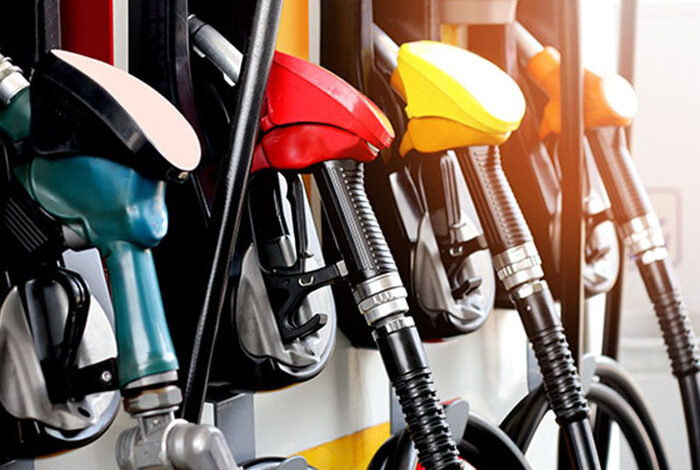
Prices of petroleum products are set to record marginal increases from today, February 16, 2026, driven primarily by the continued depreciation of the Ghanaian cedi and rising international crude oil prices.
This is according to the latest outlook report by the Chamber of Oil Marketing Companies (COMAC), which guides pricing decisions within the downstream petroleum sector. The development marks the second consecutive upward adjustment in fuel prices this year.
The report indicates that the cedi has remained under pressure since the beginning of 2026, largely due to increased demand for foreign exchange by businesses restocking for the year, as well as multinational firms repatriating dividends.
Data from the Bank of Ghana shows that the cedi depreciated by approximately 4 percent against the US dollar in January. However, figures from some commercial banks suggest a slightly higher depreciation rate of about 4.16 percent over the same period.
Projected Price Adjustments
According to COMAC’s projections, petrol prices are expected to increase by up to 1.97 percent, pushing the average pump price to around GH¢11.97 per litre.
Diesel prices are also projected to rise by 2.73 percent to approximately GH¢13.09 per litre, while Liquefied Petroleum Gas (LPG) could see a 3.26 percent increase, with prices reaching about GH¢13.93 per kilogram.
Despite these projections, COMAC notes that an oversupply of refined petroleum products on the local market may help moderate the increases, potentially resulting in only marginal adjustments at the pumps.
Drivers of the Price Hikes
The anticipated increases are attributed to both domestic and international factors. On the domestic front, the weakening cedi continues to raise the cost of importing petroleum products.
COMAC data shows that during the February 1 pricing window, the cedi depreciated from GH¢10.90 to GH¢10.98 against the US dollar.
On the international market, crude oil prices have surged by more than 5 percent, trading close to US$70 per barrel. Prices of finished petroleum products have also risen significantly, with petrol increasing by 4.17 percent, gas oil by 5.57 percent, and LPG by 6.18 percent.
Market Competition May Moderate Prices
Despite these upward pressures, intense competition within Ghana’s downstream petroleum sector could limit the extent of price increases. Industry sources indicate that some oil marketing companies may hold off on adjusting pump prices immediately, opting instead to monitor the response of major players before making pricing decisions.
COMAC further disclosed that it has received assurances from the Bank of Ghana that the central bank remains focused on maintaining price stability while supporting broader economic growth.
Price Floors and Regulatory Compliance
In line with the Petroleum Products Pricing Guidelines, the National Petroleum Authority (NPA) has maintained price floors for the February 16 pricing window.
According to the guidelines, petrol (PMS) should not be sold below GH¢10.24 per litre, while diesel (AGO) has a minimum price of GH¢11.34 per litre. LPG is pegged at a minimum of GH¢9.43 per kilogram, with Marine Gas Oil (MGO Local) at GH¢10.45 per litre and kerosene at GH¢9.21 per litre.
COMAC emphasised that these price floors exclude premiums charged by international oil trading companies, as well as the operating margins of Bulk Import, Distribution and Export Companies (BIDECs), and the margins of Oil Marketing Companies (OMCs) and LPG Marketing Companies (LPGMCs).
The Chamber has therefore urged all industry players to strictly adhere to the established pricing framework to ensure market stability, protect consumers, and promote fairness within the sector.
As fuel pricing continues to play a critical role in inflation, transport costs, and overall economic activity, the coming pricing window will be closely monitored by businesses and consumers alike.