Ghana to Raise $1bn Cocoa Bonds from July
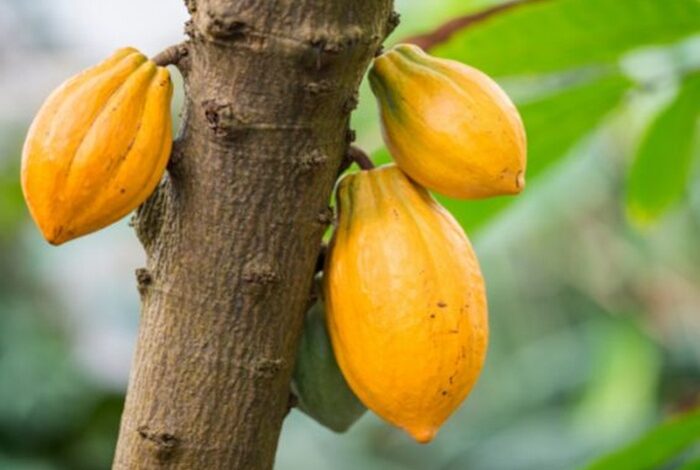
Ghana, the world’s second-largest cocoa producer, will begin issuing $1 billion worth of bonds from July to finance cocoa bean purchases for the 2026–27 crop season, according to people familiar with the arrangement.
The planned issuance is part of efforts to strengthen domestic financing for the cocoa sector and reduce reliance on external borrowing for crop procurement.
The bonds will be issued in three tranches of about $330 million each, with the first expected in mid-July 2026. The second tranche is scheduled for December 2026, while the final issuance is expected by March 2027. Each tranche will be fully repaid before the next one is issued.
The financing structure is being coordinated by the Ghana Cocoa Board, which oversees cocoa purchases and exports on behalf of the state.
Officials say the model is designed to ensure that cocoa purchases are funded within the crop year, with repayment linked directly to sales proceeds from cocoa exports.
The initiative is also aimed at strengthening liquidity for cocoa buying operations while improving transparency and discipline in sector financing.
However, the plan comes at a time when Ghana’s domestic financial system is still recovering from recent debt restructuring, raising questions about investor appetite for the new instruments.
Market participants say the success of the bond programme will largely depend on whether local banks, pension funds and institutional investors are willing to absorb the issuance after years of balance sheet stress and exposure to government securities.
Analysts note that the shift toward cedi-denominated cocoa financing could help reduce foreign exchange risk for the state and give Cocobod greater control over its funding structure. At the same time, it could expose the cocoa sector to higher domestic borrowing costs if investor demand is weak.
Industry observers also point out that Ghana’s cocoa sector has faced recent challenges, including pricing adjustments, payment pressures to farmers and volatility in global cocoa markets.
The new financing approach is therefore seen as both a reform effort and a critical test of confidence in Ghana’s domestic capital market.
If successful, the programme could provide a new model for cocoa financing across Africa by reducing dependence on foreign credit lines and strengthening local market participation.
However, failure to attract sufficient investor interest could force Ghana to return to external lenders or seek alternative emergency funding mechanisms to sustain cocoa purchases during the harvest season.
For now, attention is focused on whether the domestic market has the capacity and willingness to absorb the scale of issuance required to keep the cocoa supply chain running smoothly.