Another Fuel Price Reduction Must Benefit Every Ghanaian
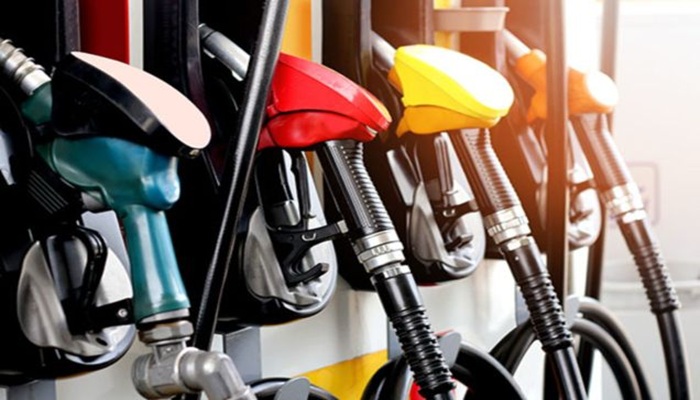
The anticipated reduction in fuel prices from July 16 offers another welcome relief to motorists, businesses and households that have endured months of high transportation and energy costs. While any downward adjustment is encouraging, the real test lies not in the reduction itself but in whether its benefits are felt across the wider economy.
Fuel prices have a direct impact on almost every sector of Ghana’s economy. They influence transport fares, the cost of moving goods, food prices, manufacturing expenses and the general cost of doing business. When fuel prices increase, consumers are often quick to feel the effects as transport operators adjust fares and traders pass on higher operating costs. However, when prices decline, the corresponding reductions in the prices of goods and services are often slow to materialise, if they occur at all.
The expected reduction should therefore provide an opportunity for transport operators, manufacturers, traders and service providers to review their pricing structures where possible. Consumers should not be denied the benefits of falling fuel costs while businesses continue to enjoy improved margins. Regulatory institutions and consumer protection agencies also have a role to play in monitoring the situation and encouraging fair pricing practices.
The decline in fuel prices is also a reflection of improving macroeconomic conditions, including the relative stability of the cedi and favourable movements in international petroleum prices. These gains demonstrate the importance of prudent fiscal and monetary policies in maintaining economic stability. However, such improvements should not lead to complacency. Ghana remains vulnerable to external shocks, including fluctuations in crude oil prices, exchange rate volatility and geopolitical developments that can quickly reverse recent gains.
Government must therefore continue to pursue policies that strengthen the economy’s resilience. Efforts to maintain exchange rate stability, build foreign exchange reserves and improve domestic revenue mobilisation will remain critical in ensuring that fuel prices remain relatively stable over the medium term. At the same time, investment in renewable energy, public transportation and local petroleum infrastructure should be accelerated to reduce the country’s long-term exposure to global oil market fluctuations.
Consumers also have a responsibility to use the current relief wisely. Lower fuel prices should encourage greater economic activity rather than unnecessary consumption. Businesses should seize the opportunity to improve efficiency, expand operations and, where feasible, pass on cost savings to customers.
Ultimately, the significance of another fuel price reduction extends beyond what motorists pay at the pump. It presents an opportunity to ease inflationary pressures, lower transportation costs and stimulate economic activity. For these benefits to be fully realised, however, all stakeholders including government, regulators, transport operators and the business community, must ensure that the gains are shared fairly across the economy.
A reduction in fuel prices is good news. Ensuring that the relief reaches the ordinary Ghanaian through lower transport fares, stable food prices and reduced business costs will determine whether the latest adjustment becomes a meaningful economic gain or merely another missed opportunity.