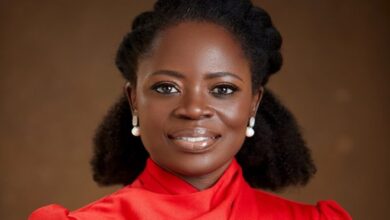
Balance natural resources and Climate Change for Sustainability – Dr. Fatima Denton
Dr. Fatima Denton, Director of the United Nations University Institute for Natural Resources in Africa (UNU-INRA), has emphasized the need for Africa to carefully manage the relationship between its natural resources and climate change to achieve sustainability.
She highlighted that this requires a delicate balancing act, addressing immediate vulnerabilities while considering long-term scenarios.
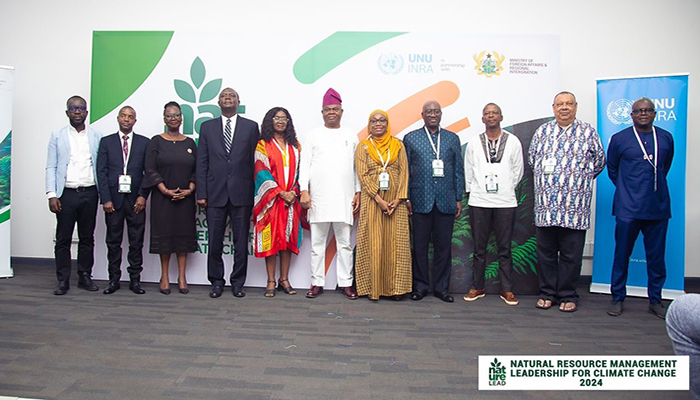
Speaking at the opening of the Natural Resource Management Leadership for Climate Change (NATURELEAD) Course in Accra, organized by UNU-INRA in collaboration with the Foreign Service Institute (FSI), Dr. Denton noted that effective natural resource management is crucial for fostering economic growth, sustainable development, and innovation, particularly in the shift to a green economy. This also includes tackling challenges such as resource depletion, climate change, and shifting global demands.
The course, designed to equip African institutions with essential knowledge, skills, and tools, focuses on navigating the intersections between natural resource management, climate change, and economic development. It addresses global challenges such as sustainable energy, food security, water management, and biodiversity conservation, while emphasizing climate diplomacy and governance as critical drivers of sustainable development.
Participants in the program represent West African Anglophone countries, including Ghana, Sierra Leone, Nigeria, and Liberia.
Dr. Denton stressed that Africa must strike a balance between managing natural resources and addressing the challenges posed by climate change to ensure a resilient and prosperous future for its people. She pointed out that the world is grappling with multiple crises, such as war and climate change, that pose severe threats to the African continent. Climate change, she noted, is accelerating, leading to more frequent natural disasters, rising sea levels, and increased pressure on ecosystems, with countries like the Democratic Republic of Congo (DRC), Mozambique, Ghana, and Sierra Leone among the most vulnerable.
Many African economies rely heavily on revenues from hydrocarbons and minerals, but these sectors are increasingly fragile due to the pressures of climate change. Dr. Denton noted that for over three decades, UNU-INRA has supported African governments by embedding research into policy-making, addressing environmental and socio-economic challenges, and promoting sustainable development.
Madam Shirley Ayorkor Botchway, Ghana’s Minister for Foreign Affairs and Regional Integration, also addressed the gathering, underscoring that natural resources form the backbone of many African economies. These resources, including oil, minerals, agriculture, and forests, play a significant role in driving economic growth, trade, and foreign direct investment. However, she warned that climate change is posing growing risks to these vital resources, threatening both economic and environmental security and sometimes exacerbating regional conflicts.
The Minister emphasized the importance of effective natural resource management strategies for driving economic growth, enhancing livelihoods, and building resilient socio-ecosystems. She noted that climate change affects multiple ecosystems and countries, making it essential to raise awareness about climate security, shared vulnerabilities, and ways to mitigate climate-induced threats both nationally and regionally.
Madam Botchway also highlighted the potential of the African Continental Free Trade Area (AfCFTA) and trade facilitation agreements to boost intra-African trade, enhance GDP growth, and promote the exchange of goods across regions. This goal aligns with the African Union’s Agenda 2063, which envisions a sustainable, inclusive, and resilient Africa playing a strong role on the global stage. She concluded by reaffirming Ghana’s commitment to foreign policies that promote regional integration, trade, and development, fostering equitable relations with neighbors and international partners.