

Defamation can occur on WhatsApp – Lawyer caution
By Rebecca Okine
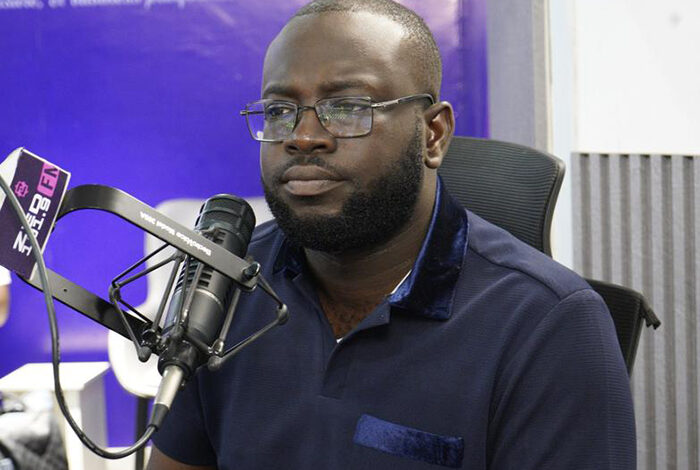
Legal practitioner Kobby Amoah has cautioned that defamation is no longer limited to legacy media such as newspapers, radio, or television, but has extended to digital platforms such as WhatsApp, Facebook and other social media platforms.
Speaking on Zed 101.9 FM’s current affairs show, The FOCUS, Mr. Amoah explained that many people wrongly assume that publishing defamatory content only refers to print or broadcast media, however once a third party is involved in the statement, defamation can occur.
“One element of defamation is that the statement has to be published,” Mr. Amoah explained. “People think that publishing the statement is limited to the newspaper, radio and television, but it goes beyond that.”
Defamation refers to the act of making false statements either spoken (slander) or written (libel) that damage the reputation of an individual or entity. Such statements are considered harmful when they lower a person’s standing in the eyes of right-thinking members of society. For a claim to qualify as defamation, it must not only tarnish the person’s character but also be communicated to a third party.
In Ghana, the law outlines three essential elements that must be established to initiate a successful defamation suit. First, the statement in question must be defamatory in nature, that is, it must have the tendency to injure the reputation of the person it concerns. Second, the defamatory statement must clearly refer to an identifiable individual, meaning the subject of the statement must be recognizable either by name, implication, or context. Finally, there must be evidence that the defamatory statement was published or made known to at least one person other than the subject. Without the presence of all three elements, a defamation claim is unlikely to succeed in court.
Mr. Amoah warned that media houses could also be held accountable if their platforms are used to propagate defamatory remarks. He also explained how defamation cases are treated uniquely according to various countries.
Citing the recent defamation suit involving journalist Anas Aremeyaw Anas and MP Kennedy Agyapong in the United States, Mr. Amoah explained the legal process in that jurisdiction.
“In the U.S., specifically in New Jersey, they go by jury trial, where arguments are made to lay people to determine if they are defamation based on the elements of defamation,” Mr. Amoah said. “At the end of this particular trial, the jury awarded 18 million dollars in damages against Anas.”
He clarified, however, that the case is still ongoing and so Anas’ statement that he has won the case is problematic.
“After the verdict, the case hasn’t ended because there are three stages: the pre-trial, trial and post-trial.” Mr. Amoah said. “So until the post-trial, Anas cannot say he has won the case.”
Veteran journalist Lloyd Evans also shared his perspective, describing defamation as “anything that kills the character of someone.
Mr. Evans advised journalists to be cautious and fact-check every information before publishing. He pointed out the generosity of Ghanaian audiences in contrast to stricter standards elsewhere regarding defamation
“In some countries, they will take us on,” he said.
Mr. Evans encouraged journalists to remain professional, especially in the digital era where speed often competes with accuracy. Reflecting on the repeal of Ghana’s criminal libel law, Evans said it made people more cautious in the past.
“In the current one, people are allowed to retract, apologise, pay a fine or compensation, and that’s it and that allows for some flexibility.” He said.
Lawyer Amoah and Veteran Journalist Evans both warned against abusing the right to free speech, emphasing that defamation often arises when this freedom is misused.
Free speech refers to the right to express one’s opinions and ideas without fear of censorship or legal punishment; however, this right is not absolute. Defamation occurs when someone crosses the line from expressing an opinion to making false statements that unjustly harm another person’s reputation. In such cases, the expression is no longer protected under the umbrella of free speech. Instead, it becomes a legal offense, particularly when the statements are untrue, damaging, and made known to a third party. Therefore, while free speech is a fundamental right in any democratic society, it must be exercised with responsibility and respect for the reputations of others. “Defamation is a serious crime. Someone will build his or her image for over 30 years and you will, within a day, destroy the person’s image, you will have to pay for it,” Mr. Amoah said.



