Mid-year budget a test for Ghana’s path to recovery
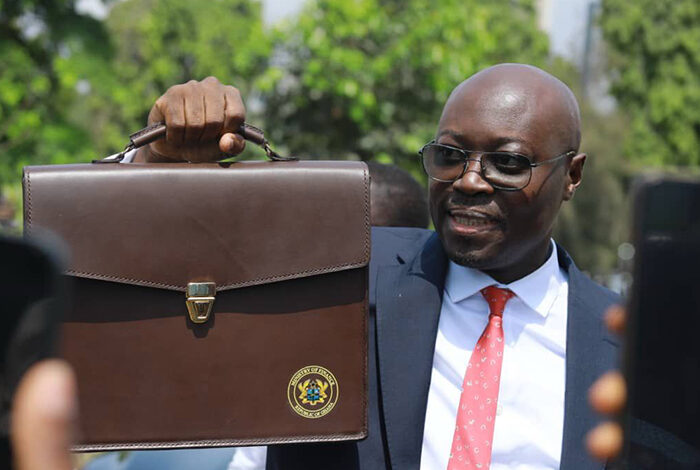
Today, the Finance Minister, Dr. Cassiel Ato Forson, will present the 2025 Mid-Year Budget Review to Parliament. This presentation comes at a critical juncture for Ghana’s economy, as the country navigates the challenges of post-pandemic recovery, rising global uncertainties, and persistent domestic pressures such as inflation and the high cost of living.
The mid-year review offers an important opportunity to assess the progress made during the first half of the year and to recalibrate fiscal policies for the remainder of 2025. It is not merely a routine exercise mandated by law; it is a vital tool for restoring confidence among investors, business operators, and everyday Ghanaians who are eager for signs of economic stability and growth.
From the data released by the Bank of Ghana, the economy is showing encouraging signs of recovery. Real GDP grew by 5.3 percent in the first quarter, with particularly strong performances in agriculture and services. Non-oil GDP grew by an even more impressive 6.8 percent, underscoring a broad-based expansion beyond Ghana’s traditional reliance on oil revenues. The Composite Index of Economic Activity and the Purchasing Managers’ Index (PMI) indicate rising business and consumer confidence. Private sector credit growth has accelerated, providing much-needed liquidity to businesses.
These indicators are promising. However, the mid-year budget must go beyond celebrating growth figures. It should address the pressing concerns of the private sector, government agencies, and the general public.
First, the private sector requires a clear signal that the government will continue to support business expansion and job creation. Access to affordable credit remains a critical factor for small and medium enterprises (SMEs), which are the backbone of Ghana’s economy. The review should therefore outline targeted measures to sustain credit growth while improving the business environment through regulatory reforms. Enhancing public-private partnerships and investing in infrastructure that reduces the cost of doing business will also be vital.
Second, fiscal discipline remains essential. The provisional trade surplus of USD5.6 billion and a widened current account surplus are positive signs. However, Ghana’s debt servicing obligations continue to weigh heavily on public finances. The mid-year budget must clearly define how government spending will be reprioritized to protect social services and infrastructure projects while managing debt sustainably. Any adjustments to tax policy should balance revenue mobilization with the need to avoid stifling economic growth.
Third, the government’s commitment to the International Monetary Fund (IMF) program will be closely scrutinized. The IMF’s benchmarks on fiscal consolidation, public financial management reforms, and restructuring of state-owned enterprises remain critical for unlocking further financial support and restoring macroeconomic stability. Transparency in reporting progress on these fronts will help maintain both international and domestic confidence.
Fourth, the mid-year budget must address the concerns of ordinary Ghanaians, many of whom are grappling with rising prices and stagnant incomes. Stakeholders expect clear plans for cost-saving measures that will ease the burden on the public purse without undermining essential services or wages. Social protection initiatives, particularly for vulnerable populations, will be key to maintaining social cohesion and supporting sustainable development.
Lastly, Parliament’s role in scrutinizing recent policy decisions, including the abolition of fuel allowances for political appointees and reforms in the mining sector, will be important. These measures signal government intent to tighten spending and improve governance, but their impact must be monitored carefully.
The 2025 Mid-Year Budget Review is more than a fiscal update; it is a defining moment for the country’s economic trajectory. The Finance Minister must deliver a balanced and pragmatic framework that sustains growth momentum, reinforces fiscal responsibility, and meets the legitimate expectations of the Ghanaian people.
Business leaders, investors, and citizens alike will be watching closely. They expect not only data and projections but concrete, actionable policies that address real challenges and seize opportunities. Success in this review could pave the way for a more resilient and prosperous Ghana. Failure would risk undermining the progress made so far.
The time to act decisively is now.