Ghana risks losing $3m In unpaid surface rentals – PIAC
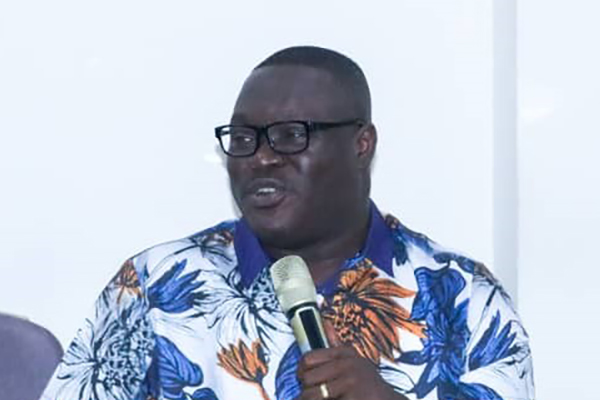
THE Government of Ghana may have lost between $2 million to $3 million in 2023 due to unpaid Surface Rentals owed by International Oil Companies (IOCs), according to Richard Ellimah, a member of the Public Interest and Accountability Committee (PIAC).
The surface rentals, amounting to $2,738,365.29, are a critical revenue source for the government, yet their non-payment by some companies has resulted in significant financial losses for the country.
Speaking during a Zonal media engagement in Ho on August 18, part of PIAC’s inspections of various projects in the Volta Region, Mr. Ellimah emphasized the importance of Surface Rentals as a vital revenue stream.
He noted that all IOCs operating in Ghana are mandated to pay these fees. However, some companies have defaulted, leading to substantial financial setbacks for the government.
He explained that some companies delay payment, promising to fulfill their obligations after production begins, but many fail to do so. In some cases, companies even exit the country without settling their debts, further exacerbating the financial burden on the state.
“All the International Oil Companies operating are required to pay Surface Rentals, but we’ve realized that some of the companies do not pay this amount, which is a loss to the government,” Mr. Ellimah stated.
To address this issue, Mr. Ellimah suggested the government enforce stricter measures to ensure Surface Rentals are paid before production starts or during ongoing production.
He proposed integrating these payments into the companies’ social commitments to their projects, preventing them from leaving without meeting their financial obligations.
He also called on the Ghana Revenue Authority (GRA) to intensify efforts to recover outstanding Surface Rentals and apply default penalties to ensure compliance.
Beyond the issue of unpaid Surface Rentals, Mr. Ellimah expressed concerns about the current approach to spending petroleum revenue in Ghana.
He argued that the thin distribution of these funds across numerous small-scale projects is diminishing their overall impact and undermining PIAC’s mandate to ensure transparent and beneficial management of petroleum revenues for all Ghanaians.
During the PIAC’s Zonal media engagement, Mr. Ellimah urged a more strategic approach to oil revenue spending, suggesting a focus on funding legacy projects—large-scale initiatives that would have a significant and lasting impact on the wider public.
“Spending the oil revenue needs to be reconsidered,” he remarked, emphasizing the need for projects that future generations could point to as built with oil revenue.
While acknowledging the government’s use of oil revenue to fund the Free Senior High School (Free SHS) programme as commendable, Mr. Ellimah urged that substantial infrastructure projects be prioritized. He cited examples from Algeria and Nigeria, where petroleum revenues have been used to fund significant legacy projects, such as Algeria’s construction of an underground railway over 26 years.
Additionally, Mr. Ellimah cautioned against the practice of co-mingling oil revenue with other funds, as this dilutes the visibility and impact of the revenue.
He stressed that after 13 years of oil production in Ghana, the impact of the revenue should be more palpable, and citizens should clearly see the benefits derived from these resources. “The revenue belongs to the people,” he emphasized, “and it must be used in ways that allow citizens to truly feel its impact.”
The Public Interest and Accountability Committee (PIAC) is an independent statutory body tasked with promoting transparency and accountability in the management of petroleum revenues in Ghana. Established under Section 51 of the Petroleum Revenue Management Act (PRMA) 2011 (Act 815), PIAC plays a crucial role in ensuring that the country’s petroleum resources are managed in a manner that maximizes benefits for all Ghanaians.