

Latif Abubakar calls for re-enactment of anti-galamsey play
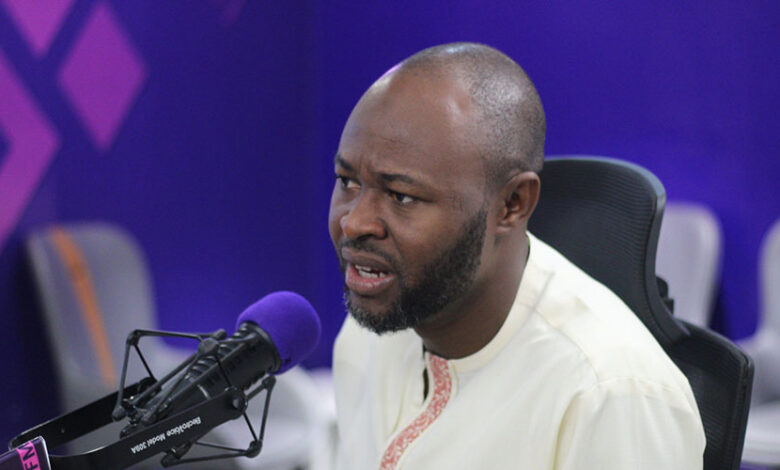
Renowned playwright and CEO of Globe Productions, Latif Abubakar, is leading the charge for theatre to serve as a powerful medium for addressing pressing societal concerns, with a particular focus on the environmental and social dangers posed by illegal mining, also known as “galamsey.”
In an appearance on Zed in the Morning’s arts and culture segment, Abubakar stressed the urgency of using theatre to confront issues like galamsey, which continues to wreak havoc on Ghana’s environment, economy, and communities.
Abubakar shared his motivation for using theatre as a tool for social change, recounting his early reflections on what he wanted to achieve through his craft. “At a point, I asked myself, if I really want to embark on theatrical performances, what would be my major objective? I wanted to play a role in the significant alteration of social norms, values, and institutions,” he explained. For Abubakar, theatre is not just about entertainment—it is a platform to educate, provoke action, and inspire positive transformation in society.
One of the standout productions that reflects his commitment to social change is Sins and Sinners, a play that directly addresses the issue of galamsey. The play, which was created in collaboration with the Media Coalition on Galamsey, not only highlights the environmental devastation caused by illegal mining but also delves into the social consequences, such as the destruction of livelihoods, corruption, and the long-term impact on communities. Abubakar’s team took the play on tour, visiting seven illegal mining communities, where they used theatre to engage with local chiefs and citizens, raising awareness about the detrimental effects of galamsey and encouraging communities to take a stand against the practice.
“We toured with Sins and Sinners to engage the chiefs and people of the illegal mining communities. We visited seven different communities where illegal mining was at its peak,” Abubakar revealed. This innovative approach of taking theatre to the very heart of affected areas highlights the unique ability of the art form to reach diverse audiences, foster dialogue, and create awareness at the grassroots level.
However, despite the critical message and success of the play, Abubakar noted the challenges involved in reviving it due to financial constraints. With galamsey once again making headlines in 2024 as a major environmental and socio-political issue in Ghana, there have been calls for the play’s reenactment to further address the resurgence of illegal mining activities. “We didn’t anticipate that galamsey would become such a major issue again this year, but I would love to revisit it,” Abubakar said. “The team is ready, but the major obstacle is financial resources. Theatre production is expensive, and staging a play of this magnitude requires careful planning and funding.”
The environmental toll of galamsey has been a longstanding issue in Ghana, with illegal mining causing widespread deforestation, river pollution, and soil degradation. Communities in mining areas face health risks from contaminated water sources and food supplies, while the economy suffers from the loss of revenue due to unregulated mining activities. Despite government crackdowns and campaigns against illegal mining, galamsey remains a persistent challenge, making the messages in Sins and Sinners even more relevant today.
Abubakar emphasized that reviving the play would not only bring attention to the environmental crisis but also contribute to the broader fight against the greed and selfishness he sees as the root causes of many of Ghana’s problems. “The bottom line is that people are selfish and greedy. That’s what leads to corruption and why issues like galamsey persist. Theatre has the power to bring these issues to the forefront and challenge people to think about their role in society and the impact of their actions,” he explained.
Beyond Sins and Sinners, Abubakar’s other works also center on social themes. His plays, such as The Second Coming of Nkrumah, tackle issues of selflessness, unity, and self-reliance—values he believes are critical for Africa’s development. His past production Judas and Delilah focused on the HIV/AIDS epidemic, using theatre to raise awareness and drive public health conversations. Abubakar’s approach to theatre is rooted in the belief that storytelling can serve as a catalyst for social change, particularly in addressing urgent challenges like galamsey. He continues to scout for current social issues and health crises to address in his plays, working with a research team to ensure that each production resonates with audiences and drives meaningful discussions.



