

World Bank reaffirms support for Ghana’s energy sector reforms
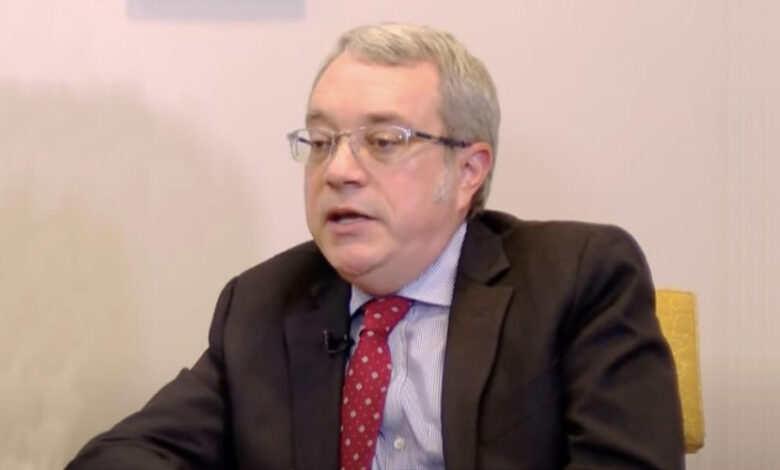
The World Bank has reaffirmed its commitment to supporting Ghana’s energy sector reforms, with Dr. Robert Taliercio, World Bank Country Director for Ghana, Liberia, and Sierra Leone, pledging increased financial backing.
At the President’s Roundtable on Economic Banks and Investment Development today, Dr. Taliercio announced a $260 million “Energy Program for Results” agreement between the World Bank and Ghana. The initiative aims to enhance the efficiency and reliability of the country’s energy sector, addressing critical operational challenges within Ghana’s electricity utility.
Dr. Taliercio outlined the pressing issues affecting Ghana’s energy sector, which include a flawed billing and collections system within the electricity utility that he says is costing the government around two percentage points of GDP annually in fiscal transfers. This substantial expenditure is, in effect, a bailout for the sector due to its inefficiencies. He noted that the billing issues are not only eroding revenue but are also symptomatic of broader accountability and transparency challenges that hinder the sector’s development and drain public resources.
The “Energy Program for Results” agreement focuses on structural improvements within the electricity utility, such as the implementation of prepaid metering systems to streamline collections and reduce losses. It also aims to support reforms across other facets of the energy sector, including policy and regulatory adjustments, which are essential for creating a sustainable and financially stable energy ecosystem in Ghana. Dr. Taliercio emphasized that these measures are expected to promote better governance, increased transparency, and enhanced accountability across the sector.
This commitment from the World Bank is part of a broader support strategy that extends to Liberia and Sierra Leone as well, where similar challenges are being addressed with substantial financial and policy support. For Ghana, the $260 million program is an effort to help the government achieve energy security, reduce its fiscal burden, and enable the efficient allocation of both public and private resources.
Dr. Taliercio highlighted that the World Bank’s goal is to expand its financial support in tandem with targeted reforms that can make the sector self-sustaining. The program also aligns with Ghana’s aspirations to improve energy access, reduce dependency on subsidies, and boost private sector participation. With better policy frameworks and upgraded infrastructure, the initiative aims to create a more resilient energy sector that can attract further investments and foster economic growth. The support from the World Bank is timely as Ghana seeks to stabilize its energy sector amidst rising costs and operational bottlenecks. Improved efficiency, enabled by modernized systems and robust policy interventions, could potentially reduce the government’s financial intervention over time, redirecting funds toward other critical areas of the economy.



