Meta Shifts Gears: From Fact-Checkers to Community Notes
As flames ravaged parts of Los Angeles this month, another firestorm raged online: a deluge of misinformation. Social media platforms were awash with false claims, conspiracy theories, and baseless accusations, underscoring a critical question of the digital age: how best to curb the rapid spread of misinformation?
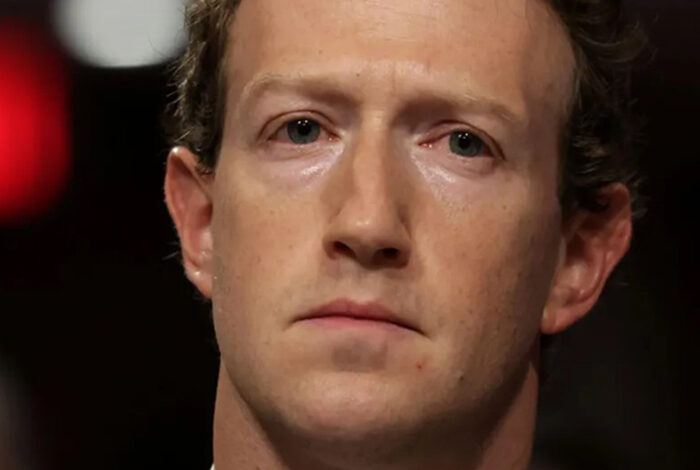
Meta, led by CEO Mark Zuckerberg, has taken a controversial approach to this challenge. The company recently announced the end of its professional fact-checking program in favor of a community-driven system inspired by X’s “community notes.”
Meta’s decision comes years after Zuckerberg lauded the company’s “industry-leading fact-checking program,” which involved 80 independent fact-checkers globally. Now, Zuckerberg criticizes the same program for alleged political bias, claiming it eroded trust rather than building it, particularly in the United States.
In its place, Meta plans to implement a user-driven system similar to X’s, where volunteers, not professionals, assess the accuracy of posts. This model, Zuckerberg suggests, will better address misinformation at scale and foster trust across political divides.
The “community notes” system on X (formerly Twitter), initially called “Birdwatch,” began in 2021 as a crowdsourced fact-checking initiative inspired by Wikipedia. Unpaid contributors flag and rate misleading posts, with notes selected through an algorithm designed to ensure balance and minimize bias.
The model’s scalability is its greatest strength. With nearly a million contributors, X claims its system generates hundreds of fact-checks daily, far surpassing the output of expert-led programs. Some studies have found the notes to be accurate and effective at curbing misinformation, reducing the virality of false claims by more than half.
Despite its potential, Meta’s adoption of this model has drawn significant criticism. Experts argue that while community notes can complement misinformation moderation, they are insufficient as a standalone solution.
Professional fact-checkers, like those formerly employed by Meta, target the most harmful and emerging narratives, leveraging consistency and expertise. Critics fear a volunteer-driven system lacks these attributes, leaving platforms vulnerable to coordinated misinformation campaigns or overlooked threats.
Mark Zuckerberg’s critique of fact-checkers as biased has also fueled allegations of pandering to politically motivated narratives. This move echoes long-standing claims, particularly among conservatives, that Big Tech suppresses their views. Others worry it signals a broader shift toward looser moderation policies, risking the proliferation of harmful content.
X’s system addresses bias through an algorithm that selects notes rated as helpful by users with differing perspectives. However, critics caution that over-reliance on algorithms risks excluding accurate but less widely approved notes, potentially undermining the system’s effectiveness.
Meta says its version will adopt similar safeguards, requiring consensus across diverse viewpoints. Yet the challenge remains: how to ensure widespread trust and maintain the delicate balance between moderation, free speech, and misinformation control.
While community-driven systems offer scalability and speed, experts argue they should supplement—not replace—professional fact-checkers. Platforms must strike a balance between crowd-sourced moderation and expert oversight to address the evolving landscape of misinformation effectively.
Meta’s shift raises critical questions about the future of content moderation: Can volunteer-based systems rise to the challenge? Or does dismantling professional oversight leave platforms—and users—more vulnerable to the very misinformation they aim to combat? The answers may shape the social media landscape for years to come.