A Timely Initiative for National Economic Rebirth
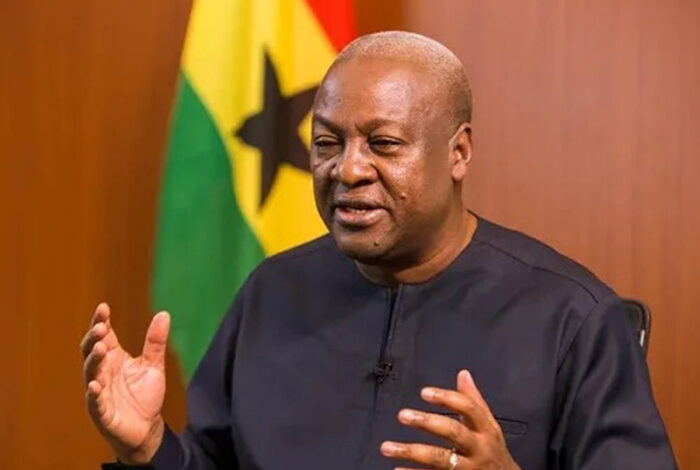
The recent establishment of the National Economic Dialogue Committee (NEDC) by President John Dramani Mahama comes at a critical time for Ghana. With the economy grappling with several challenges, from inflationary pressures to debt sustainability issues, the creation of a platform for robust dialogue between government, businesses, and civil society is both timely and necessary.
The NEDC is designed to foster inclusivity in shaping the country’s economic future. By bringing together representatives from diverse sectors, the Committee presents an opportunity for collective problem-solving.
One of the most commendable aspects of this initiative is its commitment to engaging various sectors in a conversation about the nation’s economic direction. The private sector has long been recognized as a vital driver of growth, yet its concerns and insights have often been underrepresented in policymaking processes.
Moreover, the Committee serves as an antidote to the fragmented nature of previous economic dialogues. In the past, different sectors have operated in silos, with little coordination or collaboration between them. The Committee, by bringing all key players together, promises to foster cross-sector collaboration, which is crucial for devising holistic and sustainable economic policies. After all, the challenges facing the Ghanaian economy are multifaceted and cannot be addressed by any one group alone.
However, while the Committee’s formation is promising, its success will ultimately depend on its ability to translate dialogue into action. Too often, committees and platforms like this one have struggled with turning discussions into concrete policies that have a tangible impact on the ground. The real test for the NEDC will be its capacity to ensure that the recommendations and insights shared within the forum result in real, actionable reforms that address the needs of the nation.
Moreover, the Committee must not become an isolated entity or a mere talking shop. For it to have genuine impact, there must be a clear commitment from all parties to implement the ideas that emerge from its discussions. President Mahama’s leadership will be crucial in ensuring that the Committee’s recommendations do not gather dust but are used to inform the nation’s economic blueprint for the years to come.
Furthermore, the Committee must be open to ongoing feedback and evolve as Ghana’s economic landscape changes. This dialogue must not be limited to a one-time event or periodic meetings. It needs to be a continuous process, with regular assessments and adjustments made based on emerging challenges and opportunities. This adaptability will be key in addressing both short-term economic difficulties and long-term structural issues. In conclusion, the National Economic Dialogue Committee represents a forward-thinking initiative that could provide the catalyst for transformative economic policies in Ghana. If the Committee succeeds in fostering genuine dialogue and turning these conversations into concrete policy actions, it could lay the foundation for a more resilient, inclusive, and sustainable economic future for all Ghanaians. The next step is for the government, businesses, and civil society to turn this opportunity into a success that benefits every citizen.