Kwaw Kese Questions Artistes’ Shift from Rap to Melody
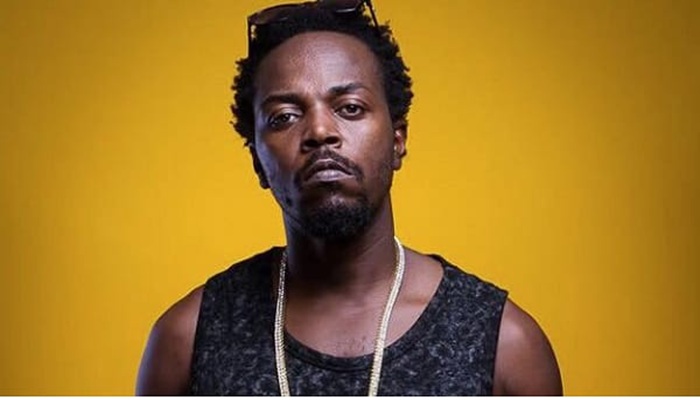
Ghanaian rapper Kwaw Kese has stirred debate in the music industry, arguing that the growing trend of artistes switching from rap to singing is not a creative evolution but a long-overdue discovery of their true calling.
Speaking in an interview, the outspoken musician dismissed the notion that such transitions reflect versatility. Instead, he described them as a “return to sender.”
“Some of them were never wired for rap in the first place. They are not original. If they turn into singers, it allows the rappers to cash out,” Kwaw Kese said.
He specifically mentioned Kofi Kinaata and King Paluta, suggesting that their roots were always in melody rather than punchlines.
“To me, I don’t think Kofi Kinaata and King Paluta were born to rap; they were born to sing. The rap was forced on them because of peer pressure and the people around them,” he stated.
According to him, clarity and self-awareness marked a turning point in their careers. Once they recognised singing as their natural strength, they embraced it fully, and their trajectories changed.
“When they realized their true talent is singing, they never went back to rapping and they’re great. Now, if Kofi is rapping, people will not enjoy it like they enjoy him singing. That’s his true call, and it takes time for you to realize your true call,” he explained.
Kwaw Kese further pointed to King Paluta’s recent rise and growing momentum as evidence that authenticity resonates more strongly with audiences than trends.
Industry watchers say the debate highlights ongoing conversations about identity and adaptability within Ghana’s music scene. While some see genre fluidity as a sign of growth, Kwaw Kese maintains that staying true to one’s natural gift is the key to longevity.
“Once you find your true sound, you don’t need to chase anything,” he added.
His remarks have since sparked discussions among fans and fellow artistes about originality, influence and the evolving definition of success in the industry.