World Bank Commits $6Bn to Mozambique Amid Debt Concerns
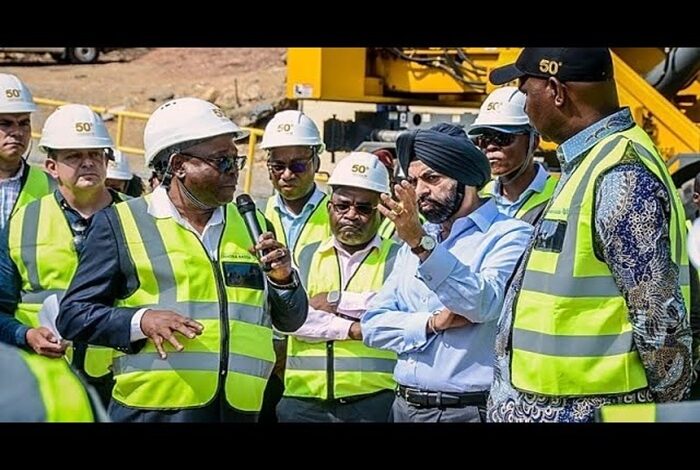
The World Bank has announced a major financial package for Mozambique, pledging $6 billion in concessional financing over the next five years. The support is aimed at strengthening public investment projects and helping the country manage its strained finances, which have recently drawn warnings from the International Monetary Fund (IMF).
Fily Sissoko, the World Bank’s division director for Mozambique, explained that the institution currently has a balance sheet of about $3 billion and hopes to mobilize another $3 billion. He emphasized that the financing will be “very concessional” and largely in the form of grants, designed to back the government’s development strategy.
In addition to the World Bank’s commitment, another $4 billion in private sector funding is being targeted to complement the initiative. This combined effort is expected to provide Mozambique with significant resources to stabilize its economy and invest in long term growth.
Mozambique’s Finance Minister, Carla Louveira, welcomed the partnership framework, saying it will help ensure macro fiscal consolidation and sustain economic recovery. She noted that the funds will be critical in addressing fiscal deficits and supporting reforms that strengthen the country’s financial position.
The IMF has recently raised concerns about Mozambique’s debt dynamics, pointing to delays in debt servicing and persistent fiscal challenges. Despite these warnings, optimism surrounds the resumption of TotalEnergies’ major liquefied natural gas (LNG) project, which is expected to boost government revenues and attract further investment.
Beyond fiscal issues, Mozambique continues to face recurring climate shocks. Cyclones and floods, worsened by climate change, have repeatedly damaged infrastructure, displaced communities, and strained public finances. The World Bank’s financing is expected to help the country build resilience against such disasters, while supporting sustainable development strategies.
Observers say the $6 billion pledge, combined with private sector contributions, could mark a turning point for Mozambique. If managed effectively, the funds will not only ease immediate fiscal pressures but also lay the foundation for long term growth, improved infrastructure, and stronger social services.
The partnership highlights the importance of international cooperation in supporting vulnerable economies. For Mozambique, the challenge will be to balance debt management with investment in projects that deliver tangible benefits to its people.