Ghana Ranked 5th – A Sobering Call for Discipline
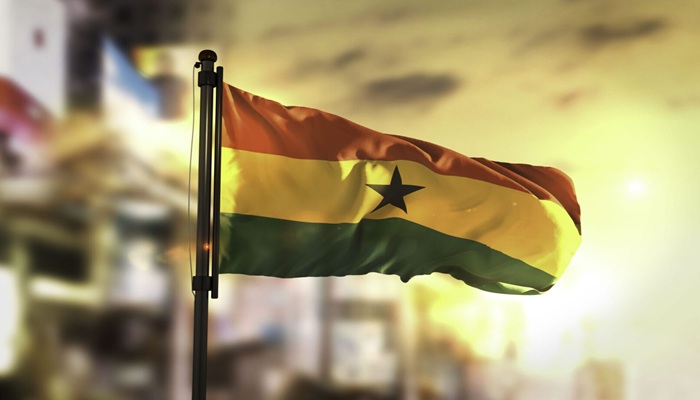
Ghana’s ranking as the 5th most indebted country in Africa, according to the IMF’s latest debt data, should not be taken lightly. While the figure may appear to position us below the continent’s largest economies in absolute debt terms, it is a sobering reminder of the heavy financial burden our nation continues to carry.
For years, debt accumulation has been justified as a tool for development financing infrastructures, roads, energy, education, and other projects that were meant to transform the economy yet the reality is that too much of Ghana’s borrowing has been skewed toward recurrent expenditure, and poorly prioritized projects that yield little return. The result is a cycle of debt service obligations that consumes a disproportionate share of national revenue, leaving little fiscal space for growth-enhancing investments.
Ranking 5th is not just a statistic, it is a reflection of choices made by successive governments. It is also a warning sign to citizens, businesses, and policymakers that without discipline, we risk compromising the future of generations to come. Already, the strain of debt servicing has translated into higher taxes, squeezed household incomes, and limited job creation.
But all is not lost. Ghana’s recent efforts toward debt restructuring and fiscal reforms present an opportunity to turn the tide. What is required now is a bold commitment to fiscal responsibility: curbing waste, plugging leakages, prioritizing productive sectors like agriculture and manufacturing, and fostering an enabling environment for private sector growth.
Equally, accountability must be strengthened. Every cedi borrowed must be matched with transparency on its purpose and measurable outcomes. Borrowing, when done strategically, can drive development. But reckless debt accumulation only deepens dependence and undermines sovereignty.
The IMF ranking should not be dismissed as mere external assessment; it should serve as a mirror reflecting our economic vulnerabilities. Ghana must treat this moment as a wake up call; an urgent reminder that our true progress will not be measured by the size of our loans but by the strength of our productive economy and the resilience of our people.