Is the ¢1 fuel levy a necessary burden for Ghana’s future?
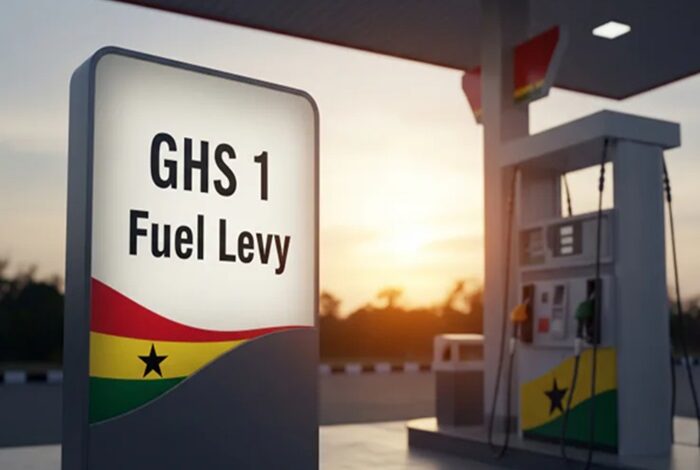
The recent introduction of a GH¢1 levy on every litre of petroleum products in Ghana has stirred considerable debate. Designed to help the government tackle the mounting energy sector debt estimated at US$3.1 billion, this levy aims to generate approximately GH¢5.7 billion annually. While it is clear that addressing this debt is urgent, the question that many Ghanaians are asking is whether this levy is a necessary burden or an unfair strain on households already grappling with the high cost of living.
Energy sector debt is no small issue. Ghana’s electricity system has long struggled with inefficiencies, power outages, and financial imbalances, commonly known as ‘dumsor.’ The government’s rationale for the levy is straightforward: raise funds to stabilize the energy sector, ensure a more reliable power supply, and ultimately promote economic growth. Without a functional energy sector, businesses falter, productivity declines, and the overall economy suffers. From this perspective, the levy is a strategic move intended to secure a more sustainable future for all Ghanaians.
However, the timing and impact of the levy raise legitimate concerns. Many citizens are already feeling the pinch of inflation, fluctuating exchange rates, and rising living costs. Fuel prices directly affect the cost of transportation and goods, meaning that even a seemingly small increase like GH¢1 per litre can cascade through the economy, hitting the average consumer’s pocket hard. The fuel levy risks adding to this pressure, potentially slowing down consumption and straining household budgets further.
Critics argue that the government should have leveraged the recent strengthening of the Ghana Cedi to ease fuel costs instead of imposing new charges. After all, a stronger currency typically reduces import costs, including petroleum products. By introducing this levy, some see the government as clawing back benefits that should have been passed on to consumers, further eroding public trust.
Yet, the situation is not black and white. While the short-term pain of higher fuel prices is undeniable, the long-term benefits of stabilizing the energy sector could be significant. Reliable electricity supply attracts investment, boosts industrial activity, and creates jobs. These outcomes could help improve living standards and generate revenue that reduces the government’s reliance on debt and borrowing in the future.
What is critical now is transparency and accountability. Ghanaians need assurance that funds raised from the levy will be efficiently managed and transparently used to tackle energy sector challenges. Without clear communication and visible improvements in power delivery, public frustration and opposition will likely grow.
Moreover, the government must consider mitigating measures to cushion the most vulnerable groups from the levy’s impact. Social interventions such as targeted subsidies, improved public transportation options, or direct support for low-income households could help balance the burden.
This fuel levy highlights the complex trade-offs policymakers face when balancing fiscal responsibility and social welfare. While it is easy to condemn such measures as unfair, it is equally important to understand the broader economic realities Ghana confronts. Debt sustainability and energy sector reform are necessary pillars for future growth, and sometimes difficult choices must be made.
In conclusion, the GH¢1 fuel levy is indeed a heavy load for many Ghanaians. However, if implemented with transparency, accompanied by visible improvements in power supply, and balanced with social support measures, it could become a necessary investment in Ghana’s future. The challenge lies in convincing the public that today’s sacrifices will yield tomorrow’s prosperity.