

Ghana Activates Emergency Health Measures Against Ebola Threat
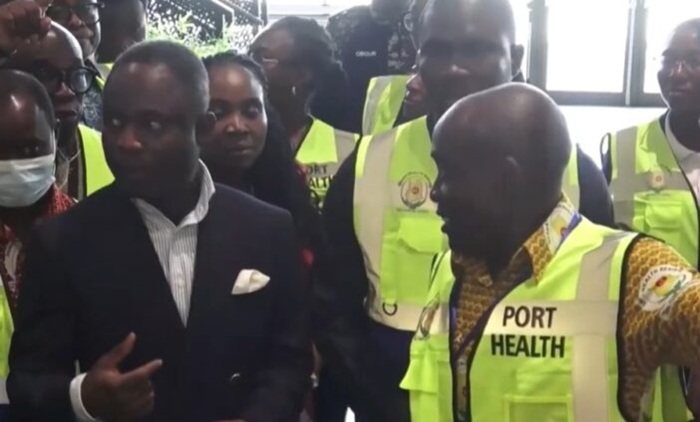
The Ministry of Health has introduced strict emergency protocols across all 16 regions of Ghana to protect the country from a possible outbreak of the deadly Ebola virus.
The decision followed a nationwide inspection tour by Health Minister Kwabena Mintah Akandoh on May 29, 2026. The minister assessed border surveillance systems, medical isolation facilities, and emergency preparedness at key entry points, including Accra International Airport. He also visited the Noguchi Memorial Institute for Medical Research and the Ghana Infectious Disease Centre to check readiness levels.
The measures come after the World Health Organization (WHO) declared the Bundibugyo strain of Ebola a Public Health Emergency of International Concern. This rare strain is highly dangerous and requires urgent action.
At the airport, the minister reviewed passenger screening points, thermal scanners, and emergency holding bays. He said Ghana must quickly adopt advanced digital detection systems to reduce human error. Speaking to the media, Mr. Akandoh stressed that public cooperation is vital. He directed institutions, transport unions, local authorities, and event organisers to reintroduce strict hand hygiene and sanitation measures nationwide. He also advised against mass gatherings, urging citizens to follow safety protocols.
At Noguchi, the minister was assured by Director Professor Dorothy Yeboah Manu that the institute’s biosafety laboratories are fully resourced and prepared for rapid, accurate testing of suspected Ebola cases. She explained that the laboratories have been stocked with chemical reagents and are structurally ready to handle high speed differential testing.
The WHO Country Representative to Ghana, Dr. Fiona Braka, joined the tour and warned of the serious challenges posed by the Bundibugyo strain. She urged regional leaders to treat border management with maximum urgency while global scientists race to develop specialised vaccines. Dr. Braka emphasised that the strain’s virulence makes it essential for countries to act quickly to prevent cross border spread.
Officials say the emergency measures are designed to stress test Ghana’s readiness and ensure the country can respond quickly if Ebola cases are detected. The health ministry insists there is no cause for panic but emphasises that strict adherence to safety measures is essential to prevent an outbreak.
The minister concluded that while Ghana’s institutions are prepared, the success of the response depends on the cooperation of citizens. He reminded the public that hand hygiene, sanitation, and avoiding mass gatherings are critical steps in protecting communities.
With Ebola already declared a global emergency, Ghana’s proactive measures are intended to safeguard lives and strengthen confidence in the country’s health system. Authorities believe that by combining institutional readiness with public vigilance, Ghana can prevent the virus from spreading within its borders.



