

As National Farmers Day Approaches — Is Agriculture Living Up to Its Promise for Ghana’s Economy?
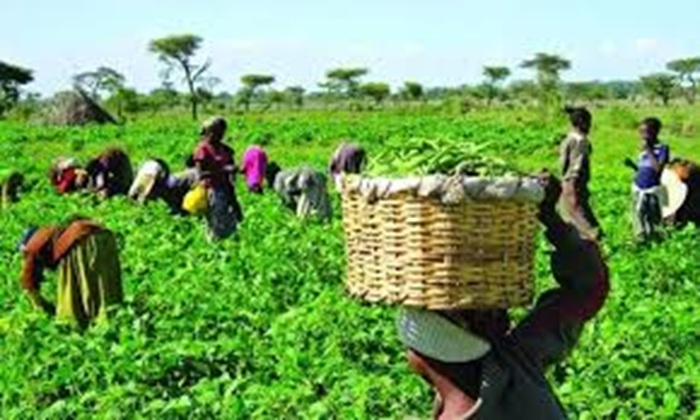
As we prepare to celebrate National Farmers Day tomorrow, it is fitting to reflect on whether agriculture, the sector we honour is pulling its weight in Ghana’s economy as it ought to. Agriculture remains a cornerstone of our national livelihood, yet its potential has often been undermined by structural challenges and shifting economic patterns. The real question is: is agriculture building up the economy as it should? And can it help moderate inflation while delivering on growth and jobs?
The numbers tell mixed but hopeful stories. As of 2025, agriculture accounts for roughly 20–23 percent of Ghana’s Gross Domestic Product (GDP). It remains a vital employer especially in rural communities and contributes significantly to household income, food security, and export revenue. In the first half of 2025, for example, agriculture grew by 6%, outpacing many other sectors, driven by rebounds in crops, livestock and fisheries.
Moreover, this resurgence in output appears to be helping tame inflation, particularly in food prices. The government has linked improved agricultural performance to a sharp decline in food inflation: from 27.8% in December 2024 to 16.3% by mid-2025. That drop matters for consumers struggling with rising living costs, affordable and stable food prices can offer much-needed relief.
So yes on paper and in the fields, agriculture is showing signs of delivering. However, honouring farmers tomorrow should not mean resting on laurels. The agriculture sector remains constrained by deep structural obstacles that limit its full potential to transform the economy. Decades ago, agriculture used to contribute well over 30% of GDP. Its relative decline to roughly one-fifth of GDP reflects the broader shifts toward services and industry, but it also signals missed opportunities.
Challenges remain: limited access to mechanization, inadequate irrigation, poor rural infrastructure, climate-vulnerability, and insufficient financing. These constraints drag on productivity and limit the sector’s capacity to deliver consistent growth.
For agriculture to truly drive economic recovery, the industry must be better integrated into a broader growth framework: modern agribusiness, value-addition, export diversification, and rural industrialization. Farmers need not just praise, but support: better access to credit, technology, storage infrastructure, and supply-chain efficiency. Without such support, productivity gains remain fragile, vulnerable to weather, price swings, and global shocks.
As we salute the commitment of Ghana’s farmers tomorrow celebrating their sweat, harvests, and resilience, we must also demand structural change. We cannot treat agriculture as a seasonal obligation; it must be a strategic pillar for sustained economic transformation.
National Farmers Day should remind us not only to celebrate those who till the land, but also to recommit to building an economy where agriculture is no longer merely a fallback, but a foundation strong, productive, and capable of delivering jobs, growth, and stability.



