Reviving Ghana’s Economy: The Role of Made in Ghana Products

Ghana’s economy has faced numerous challenges in recent years, from currency depreciation to inflation and a growing reliance on imports. At the heart of these challenges lies a simple but powerful truth; no nation can achieve economic stability and prosperity without prioritizing its own industries. The recent pledge by Finance Minister Dr Cassiel Ato Forson to exclusively patronize Made in Ghana products is a welcome gesture, but it must go beyond symbolism to become a national movement.
Why Made in Ghana Products Matter
A strong local economy is built on the production and consumption of indigenous goods and services. When citizens prioritize locally made products, industries thrive, jobs are created, and wealth is retained within the country. Ghana’s over reliance on imported goods not only drains foreign exchange reserves but also stifles the growth of local enterprises that struggle to compete with cheaper foreign alternatives.
The statistics paint a worrying picture. Ghana’s trade deficit has consistently been widened by heavy importation of goods that could be produced locally. According to the Bank of Ghana, in 2023, the country spent billions of dollars importing rice, poultry, textiles, and other consumables that could be produced domestically. This trend needs to change, and it begins with a mindset shift at the highest levels of governance, trickling down to the ordinary Ghanaian consumer.
Leadership by Example
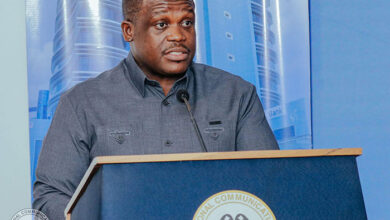
Dr Forson’s public endorsement of Made in Ghana products is significant, particularly at a time when confidence in the economy needs rebuilding. His act of wearing a locally made shirt and using a Ghanaian manufactured leather bag during his budget presentation sends a strong signal. However, it is not enough. The government must go beyond individual pledges and put in place policies that make Made in Ghana products more attractive, accessible, and affordable.
One key area of focus should be public procurement. The government is the largest consumer in any economy, and its spending power can significantly impact local businesses. A deliberate policy that prioritizes Made in Ghana products in state contracts, from furniture in public offices to locally manufactured school uniforms, will create a steady market for Ghanaian businesses.
Challenges Facing Local Industries
Despite the advantages of consuming local products, there are real challenges that hinder their competitiveness. Many Ghanaian manufacturers struggle with high production costs, poor infrastructure, and limited access to financing. Additionally, some local products fall short of international quality standards, making them less attractive to consumers who prefer imported alternatives.
To address these issues, the government must invest in industrialization and provide incentives for local manufacturers. Reduced taxes on raw materials, better access to credit facilities, and infrastructure development in industrial zones will go a long way in making Ghanaian businesses more competitive.
Furthermore, quality control agencies must work closely with manufacturers to ensure that local products meet global standards. Consumers should not have to choose between supporting the local economy and purchasing high quality goods both should go hand in hand.
A Call to Action for All Ghanaians
The success of the Made in Ghana agenda does not rest solely on the government’s shoulders. Every Ghanaian has a role to play. Consumers must make a conscious effort to buy local, even if it means spending a little more in the short term to support the long term growth of the economy. Businesses must also innovate and improve the quality of their goods to make them competitive both locally and internationally.
Educational institutions and media platforms should intensify campaigns that promote patriotism and the benefits of supporting local industries. The younger generation, in particular, needs to be taught the value of economic self-sufficiency and national pride. Ghana’s economic future depends on its ability to produce and consume what it makes. If Ghana is to overcome its economic challenges and build a resilient economy, the time to act is now. Let us all buy Ghana, wear Ghana, and grow Ghana.