Building Cost Inflation Rises to 3.1% in June
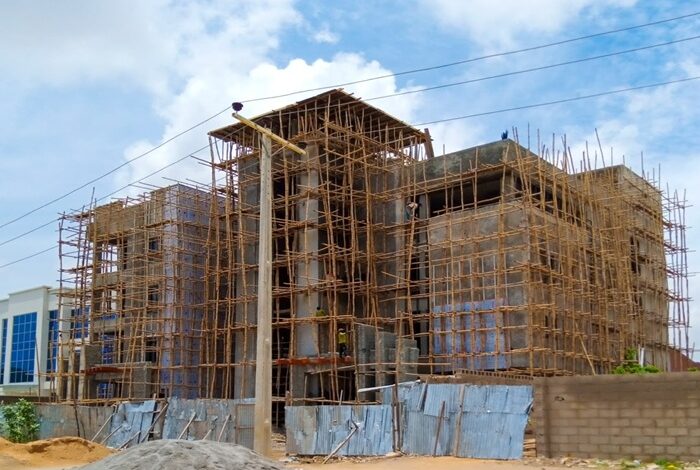
Building cost inflation in Ghana increased to 3.1 per cent in June 2026, driven mainly by higher prices of construction materials and plant-related costs, although the pace of increase remained significantly lower compared with the same period in 2025.
The latest Prime Building Cost Index (PBCI) released by the Ghana Statistical Service (GSS) showed that annual building cost inflation rose from 2.7 per cent in May 2026 to 3.1 per cent in June 2026.
The Government Statistician, Dr Alhassan Iddrisu, said the increase reflected renewed pressure on some construction inputs but noted that the overall cost environment remained more stable compared with the previous year.
He explained that the sharp slowdown in inflation had created a more predictable environment for developers, contractors, investors and households planning construction projects.
“Building inflation has slowed sharply, from 18.1 per cent in June 2025 to 3.1 per cent in June 2026. Although it rose slightly from 2.7 per cent in May, building costs are increasing far more slowly than a year ago, supporting better planning and investment,” Dr Iddrisu said.
The PBCI measures changes in the prices of major construction inputs, including materials, labour and plant, using 2023 as the base year. The index provides important information for policymakers, investors and industry players in assessing construction trends and making informed decisions on contracts and investments.
Although annual inflation increased, monthly cost pressures eased during the period. The month-on-month inflation rate declined by 0.1 per cent in June, compared with a 1.4 per cent increase recorded in May, indicating some moderation in short-term construction cost pressures.
Materials Drive Increase in Building Costs
Construction materials remained the largest contributor to the rise in building cost inflation during the period.
According to the GSS, materials inflation increased to 3.9 per cent in June from 3.5 per cent in May, accounting for about 96 per cent of the overall building inflation rate.
Plant inflation also recorded a significant increase, rising from 9.8 per cent in May to 16.0 per cent in June, reflecting higher costs associated with construction equipment and machinery.
However, labour costs continued to provide some relief, as labour inflation declined further from negative 2.0 per cent to negative 2.6 per cent.
Dr Iddrisu said while material and equipment costs continued to place pressure on construction expenses, lower labour costs helped reduce the overall impact on the sector.
“Building inflation in June 2026 was driven mainly by construction materials. Plant inflation accelerated sharply to 16.0 per cent, while labour inflation declined further to negative 2.6 per cent, helping to moderate overall building cost pressures,” he said.
Among the 23 sub-groups tracked under the PBCI, plumbing recorded the highest annual inflation rate at 23.9 per cent, followed by roofing sheets at 21.4 per cent and small tools at 19.7 per cent.
Meanwhile, cement prices declined by 13.0 per cent, while steel prices fell by 8.6 per cent, helping to limit the overall increase in construction costs.
The GSS noted that electrical works recorded the largest contribution to the increase in the building cost index, followed by metalwork, glazing, plumbing and tiles.
The slowdown in building cost inflation is expected to support better planning and budgeting within the construction sector.
Dr Iddrisu urged stakeholders to strengthen procurement planning and take advantage of the relatively stable cost environment.
“Businesses should strengthen procurement planning and secure competitive contracts. Households can plan construction more confidently while keeping a close watch on building material prices,” he said.
The latest figures show that while construction costs continue to rise, the pace of increase has slowed significantly, with lower labour costs and reduced prices for key inputs helping to contain overall inflation.