

Five Priorities to Unlock Africa’s Economic Independence – Sam Jonah
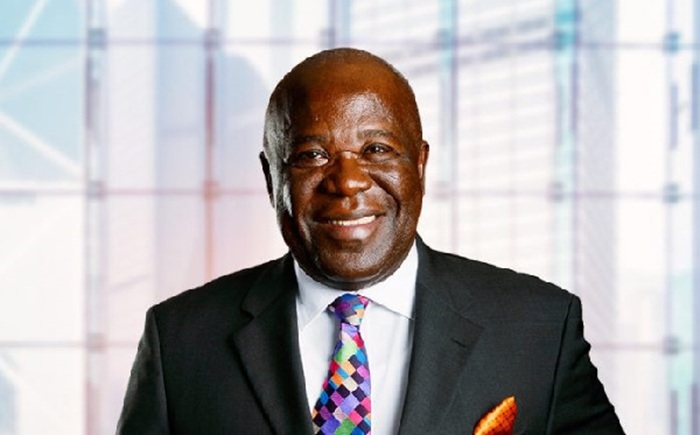
Veteran Ghanaian entrepreneur Sir Samuel Esson Jonah has presented a five-point blueprint for Africa’s economic self-determination in an open letter to Heads of State of the African Union (AU).
In the February 18, 2026 correspondence, Sir Sam urged African governments to push back against what he termed a resurgence of “imperial language” and to embrace what he described as “deliberately self-interested” economic independence.
His intervention follows comments by U.S. Secretary of State Marco Rubio at the Munich Security Conference, which Jonah interpreted as a subtle appeal for renewed imperial influence.
At the heart of his appeal is a detailed five-point strategy designed to reposition Africa in the global economic system.
First, he advocated for the swift execution of the African Continental Free Trade Area (AfCFTA). He encouraged leaders to expedite talks on rules of origin, trade in services, and investment frameworks, while strengthening digital commerce systems and cross-border infrastructure to lower transaction costs and substantially expand manufactured exports within the next decade.
Second, Jonah called for the adoption and enforcement of the Protocol on Free Movement of Persons. He maintained that genuine continental integration is unattainable without allowing entrepreneurs, professionals, and innovators to move freely across borders to drive economic progress.
Third, he underscored the importance of strengthening internal capacity by reducing reliance on foreign aid and advancing domestically funded development. This, he noted, entails overhauling fiscal strategies to control debt, boosting sustainable agriculture through the Comprehensive Africa Agriculture Development Programme (CAADP), encouraging value addition rather than exporting raw commodities, and reinforcing the African Union’s Peace and Security Architecture to collectively tackle conflicts and insurgencies.
Fourth, he appealed to governments to empower young people and reinforce public institutions. He recommended governance reforms to combat corruption, narrow inequality, and halt democratic decline, while recognising Gen Z activism as a credible call for transparency rather than a destabilising force.
Fifth, Sir Jonah proposed the adoption of a coordinated African foreign policy. Amid rising geopolitical rivalries, he urged member states to present a united front, resist neocolonial advances, and negotiate international partnerships on terms that safeguard African priorities, including in platforms such as the G20.



