

Weak Checks Undermine Ghana’s Democratic Promise
By Praisebell Rosemond Larbi
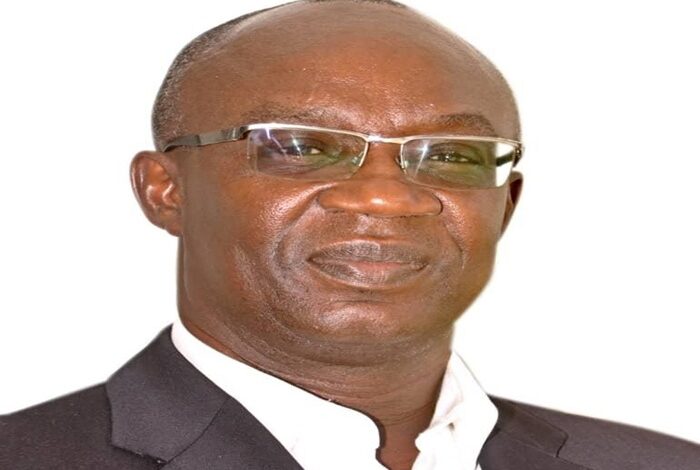
Economist Dr. Valentin Mensah says Ghana’s celebrated democratic stability masks deep structural, cultural, and institutional weaknesses that continue to undermine effective governance, accountability, and public trust.
More than three decades after the adoption of the 1992 Constitution, Ghana has recorded multiple peaceful elections and alternations of power. However, Dr. Mensah argues that the country has yet to fully enjoy the dividends of democracy because critical checks and balances, especially access to public information remain weak.
Although the Constitution vests sovereignty in the people and guarantees the right to information and political participation, transparency around political parties remains limited. Dr. Mensah notes that while parties are required by law to disclose funding sources and submit audited accounts, compliance is poor and enforcement by the Electoral Commission (EC) is ineffective. The exclusion of political parties from the scope of the Right to Information Act further restricts citizens’ ability to scrutinise party financing, weakening accountability and encouraging hidden political influence.
Dr. Mensah also points to Ghana’s dominant cultural and ethical values as a major factor shaping democratic outcomes. The country’s strong collectivist culture, he explains, promotes loyalty to political parties and in-groups over national interest. This often translates into party-line voting in Parliament and weak legislative oversight of the Executive. High respect for authority and elders, combined with a high power-distance culture, has also contributed to political apathy and acceptance of the status quo.
Internal democracy within political parties has equally suffered. According to Dr. Mensah, party primaries have become heavily monetised, favouring wealthy aspirants over competent candidates. Vote-buying and financial inducements have led to the frequent exit of experienced MPs, reducing the quality of lawmaking and parliamentary oversight.
Institutional weaknesses further compound the problem. Dr. Mensah argues that the EC lacks the resources and authority to enforce financial transparency, regulate campaign spending, or effectively supervise party primaries. The absence of legal limits on campaign expenditure has entrenched high-cost politics and deepened inequality in political competition.
Parliament’s ability to check the Executive remains limited due to chronic underfunding, constitutional constraints on directing the Auditor-General, and the dominance of the President’s party. Excessive presidential appointment powers, often exercised without parliamentary approval, also undermine the independence of oversight institutions.
Dr. Mensah concludes that while Ghana’s democracy has endured electorally, persistent monetisation of politics, patronage, and weak enforcement mechanisms continue to erode transparency, accountability, and public confidence in democratic governance.



