COP30: UN calls for stronger protection for climate migrants
The International Organization for Migration (IOM) is urging world leaders to do more to protect people who are being forced from their homes because of climate change. These include migrants, displaced families, Indigenous Peoples, and local communities who live in areas most affected by floods, storms, heatwaves, and droughts.
Every year, millions of people around the world lose their homes because of extreme weather. Most of them do not leave their countries; instead, they become internally displaced. Even though they remain within their borders, they still face the pain of losing their homes, livelihoods, and communities.
Experts warn that the situation could become even more serious in the future. Rising sea levels and long periods of drought may make some places completely unlivable. Some small nations may even disappear under water. Because of this, IOM is calling for climate mobility—how people move or stay because of climate change—to become an important part of climate plans at COP30 in Belém, Brazil.
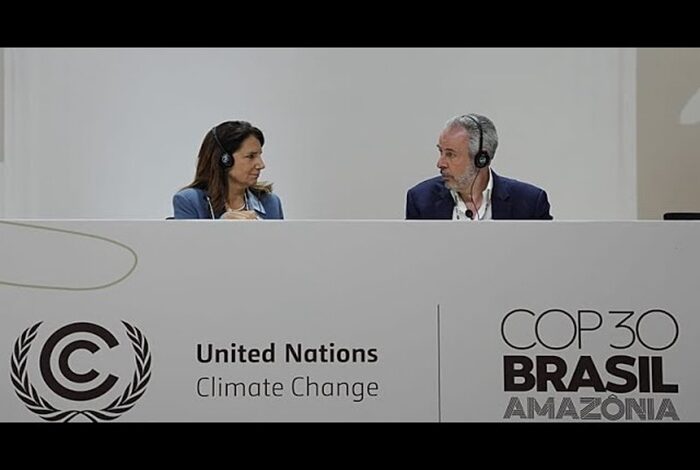
Speaking at the conference today (14 November), IOM’s Deputy Director General, Ugochi Daniels, said that countries must improve early warning systems and help people build stronger livelihoods in high-risk areas. She explained that many displaced people want to return home, but the places they once lived have been damaged by climate change. According to her, helping these communities become more resilient is key to giving them the right to stay.
Daniels also said that COP30 must lead to real progress in national adaptation plans and in funding for loss and damage. She noted that although leaders often talk about climate finance, the money does not always reach the communities that need it most, such as Indigenous groups and migrants. She stressed that it is time for action, not just promises.
She added that human mobility should be at the centre of climate policies. Daniels believes COP30 is a major opportunity to include these issues in negotiations and final decisions, making sure that climate migrants and vulnerable communities are not forgotten.