

Côte d’Ivoire and Ghana reaffirm commitment to fair cocoa prices
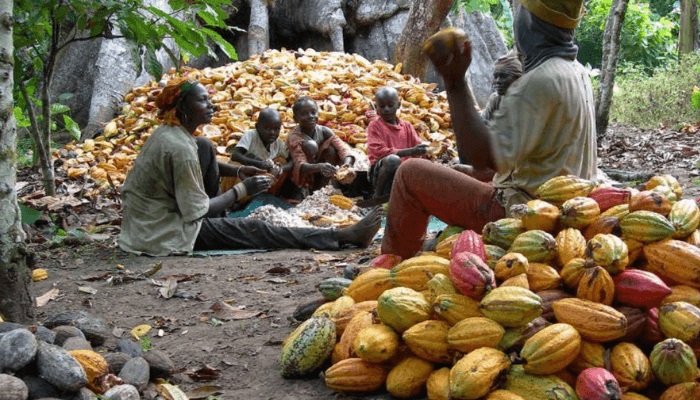
Côte d’Ivoire and Ghana, the world’s largest cocoa producers, have once again renewed their commitment to improving the livelihoods of cocoa farmers and promoting sustainability in the cocoa industry through their collaboration under the Côte d’Ivoire-Ghana Cocoa Initiative (CIGCI). This comes on the heels of recent announcements regarding cocoa producer prices in both countries, which mark a pivotal step in addressing long-standing challenges in the global cocoa market and ensuring farmers receive fair compensation for their work.
For decades, cocoa farmers in Côte d’Ivoire and Ghana, who produce about 60% of the world’s cocoa supply, have struggled with fluctuating and often unfair prices that fail to cover their production costs. These price inconsistencies have left many farmers living below the poverty line, despite their pivotal role in sustaining a multibillion-dollar global chocolate industry. The latest move by both governments seeks to remedy these disparities and ensure that cocoa prices reflect the true value of the crop.
Long-standing Market Challenges
In a statement issued by the Côte d’Ivoire-Ghana Cocoa Initiative (CIGCI) on Wednesday, October 2, the organization stressed that since 2019, both nations have worked closely to combat the volatility of the global cocoa market. Prior to their collaboration, cocoa prices often fell below production costs, leaving farmers vulnerable to exploitation by middlemen and the global market’s demand dynamics.
The establishment of the CIGCI, a joint initiative spearheaded by both countries, was designed to give cocoa farmers a stronger voice and foster greater policy coordination. By working together, the two nations have been able to push for improved conditions for farmers, promoting a collective effort to enhance the livelihoods of their populations.
Leadership and the Living Income Differential
The initiative has been driven by the leadership of Ivorian President Alassane Ouattara and Ghana’s President Nana Akufo-Addo, who have both emphasized the importance of creating a sustainable and equitable cocoa industry. One of the key mechanisms that emerged from the CIGCI is the Living Income Differential (LID), which was introduced to ensure that farmers receive a fair share of the global cocoa earnings.
The LID is a price premium of $400 per ton of cocoa beans that is added to the base price of cocoa on the global market. This mechanism, implemented in 2020, is designed to guarantee that farmers earn a minimum income, regardless of fluctuations in the world cocoa price. According to the CIGCI, the LID has brought the long-ignored issue of fair pricing to the forefront of global conversations about the sustainability of the cocoa supply chain.
“Where once the idea of discussing price was considered taboo, today it is a central theme in addressing the sustainability of the cocoa industry,” the CIGCI statement highlighted. “The world now recognizes that fair compensation for farmers is not just an economic issue but a key component of ensuring a sustainable future for cocoa production.”
Sustainable Cocoa Sector
The goal of the CIGCI is to create a more balanced cocoa sector—one where economic, social, and environmental sustainability are at the forefront. With growing awareness of the challenges cocoa farmers face, Côte d’Ivoire and Ghana have made it clear that improving farmers’ livelihoods is central to any conversation about sustainability. By securing better prices for farmers, both countries aim to lift millions out of poverty, reduce child labor, and promote environmentally sustainable farming practices.
As global demand for cocoa continues to rise, it is essential that the benefits are shared equitably. The future of the cocoa sector depends on farmers being able to sustainably grow cocoa while earning a living wage. Without this, the industry faces the risk of collapse as farmers abandon cocoa farming for more profitable ventures.
International Cocoa Day and Call to Action
As Côte d’Ivoire and Ghana commemorate International Cocoa Day 2024, they are using the occasion to remind global stakeholders that much remains to be done to ensure that cocoa farming is sustainable across all dimensions. While the LID and other reforms have helped to improve the situation for farmers, ongoing efforts are necessary to address challenges such as climate change, deforestation, and child labor in the cocoa supply chain.
“There is still a lot of work ahead. We need to ensure that the price paid to farmers reflects the real value of cocoa, and that they are protected from the market’s volatility,” the CIGCI statement added. “Only when farmers are able to produce cocoa sustainably and profitably can we say that the sector is truly thriving.”
Côte d’Ivoire and Ghana are calling on other major cocoa stakeholders—particularly multinational chocolate manufacturers and retailers—to step up their efforts in supporting a fair and sustainable cocoa economy. They argue that paying farmers a fair price is not only an ethical obligation but a business imperative, as the future of the cocoa supply chain depends on it. The continued collaboration between these two countries demonstrates their resolve to reshape the global cocoa market, ensuring that the benefits of cocoa production are shared more equitably and that cocoa farming remains viable for future generations. Through the CIGCI, Côte d’Ivoire and Ghana are leading the charge for a cocoa sector that values its farmers and fosters a sustainable and fair supply chain from farm to shelf.



