Legacy Rise Sports Boxer represents Ghana at a UK International Boxing Tournament
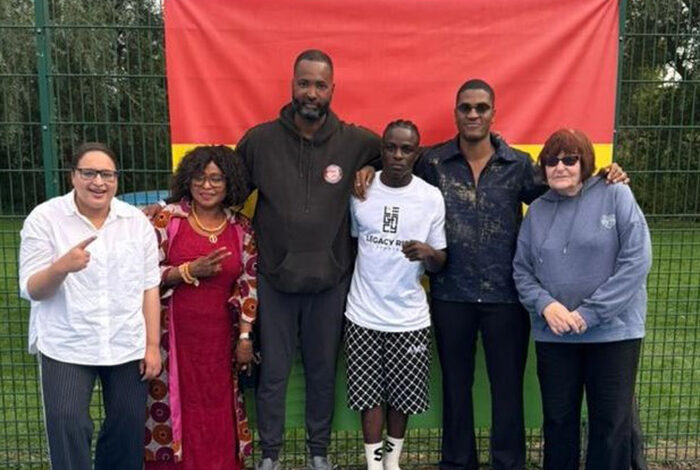
In alignment with its mission to provide global exposure and opportunities for young athletes, Legacy Rise Sports proudly sponsored of its amateur boxers, Abraham Mensah, to represent Ghana at the prestigious ‘Luton Sports Carnival’ in the United Kingdom which took place on September 21, 2024.
The tournament, which featured top talents from around the world, offered a platform for Abraham to showcase his skills on an international stage.
The event reflects Legacy Rise Sports’ commitment to empowering athletes by creating pathways to compete at the highest levels. Speaking on the experience, Mr. Mensah expressed immense gratitude
“This is a dream come true. Competing internationally is an incredible opportunity, and I’m grateful to Legacy Rise Sports for believing in me and supporting my journey. I’ll continue to give my best and make my country proud.”
CEO of Legacy Rise Sports, Sharaf Mahama, also shared his excitement about the tournament: “Our mission has always been to create opportunities for athletes to shine on a global scale. This tournament
is just the beginning of many more international ventures for our athletes. We are proud of Abraham and look forward to his continued success.”
With this successful trip, Legacy Rise Sports reaffirms its dedication to developing world-class athletes and expanding their horizons through international exposure.