Automotive industry: Volkswagen’s vision welcome
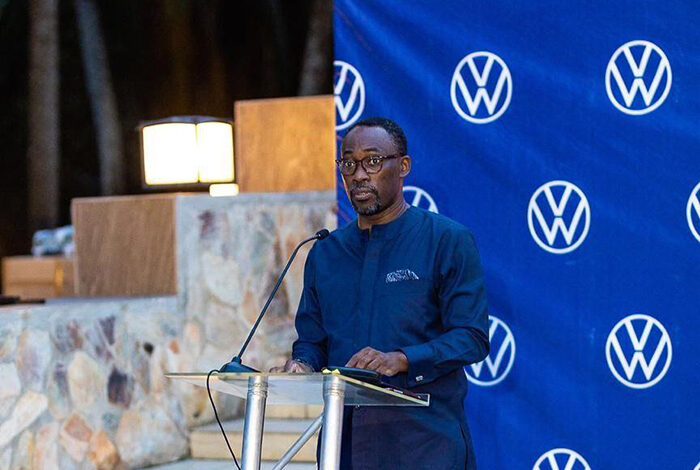
THE automotive industry in Ghana is on the cusp of transformation, fuelled by a growing local assembly sector and policy initiatives such as the Ghana Automotive Development Policy.
However, amid this progress, a critical challenge persists: the gap between the formal automotive industry and the informal sector, where artisans and mechanics have long been the backbone of vehicle maintenance in communities like Suame Magazine and Abossey Okai.
Volkswagen Ghana’s push to integrate informal automotive workers into the formal industry represents a pivotal step toward bridging this divide. As the company rightly notes, sustainable growth in the sector requires a skilled workforce capable of servicing the new generation of locally assembled, technologically advanced vehicles.
For decades, Ghana’s informal automotive sector has been an indispensable part of the economy, providing affordable vehicle repairs and creating livelihoods for thousands. Yet, these artisans and mechanics often lack access to modern training and tools, leaving them ill-equipped to handle the evolving demands of the industry.
Volkswagen’s call for upskilling informal workers is more than just a corporate initiative — it is an acknowledgment of their critical role in building a self-sustaining automotive ecosystem. By investing in training and technology transfer, the company aims to ensure these workers are not left behind in a rapidly modernizing industry.
Volkswagen’s vision aligns with broader national goals of reducing dependence on imported used vehicles while fostering local industry. The Ghana Automotive Development Policy, launched in 2020, has already attracted nine vehicle assemblers, up from four in its inaugural year.
This progress reflects the enormous potential of Ghana’s automotive sector to drive industrialization and job creation.
However, this potential will remain untapped without addressing the skills gap in vehicle maintenance. Volkswagen’s commitment to integrating informal workers ensures a sustainable pipeline of local talent capable of servicing these vehicles. It also reduces reliance on foreign expertise, fostering economic independence.
Despite the strides made, significant hurdles remain. The dominance of used vehicle imports, high loan rates, and fluctuating exchange rates all pose challenges to the adoption of locally assembled vehicles.
Volkswagen Ghana’s ongoing discussions with the Bank of Ghana to reduce loan rates, coupled with government measures like the proposed 35% import duty on relatively newer used cars, are steps in the right direction.
Such initiatives must be complemented by policies that promote affordability and accessibility for local consumers. High-quality, cost-effective vehicles will be key to shifting consumer preferences from used imports to locally assembled models.
Volkswagen Ghana’s efforts to bridge the gap between formal and informal sectors signal a progressive approach to industrialization. By embracing inclusivity, the company is not just assembling cars — it is building an ecosystem that empowers local workers, creates jobs, and fosters economic growth.
The informal sector’s artisans and mechanics have been pillars of Ghana’s automotive culture. Their integration into the formal industry is not just a matter of equity but also a strategic imperative for long-term sustainability.
With the right investments in training, policy support, and affordable financing, Ghana’s automotive sector can emerge as a beacon of industrial growth in West Africa. Volkswagen’s initiative is a call to action for other industry stakeholders to follow suit. Together, they can transform Ghana’s automotive landscape into one that reflects the nation’s potential and drives its economic future.