Pick 1 lucky number out of 36 to win 26 times the stake – Game Park
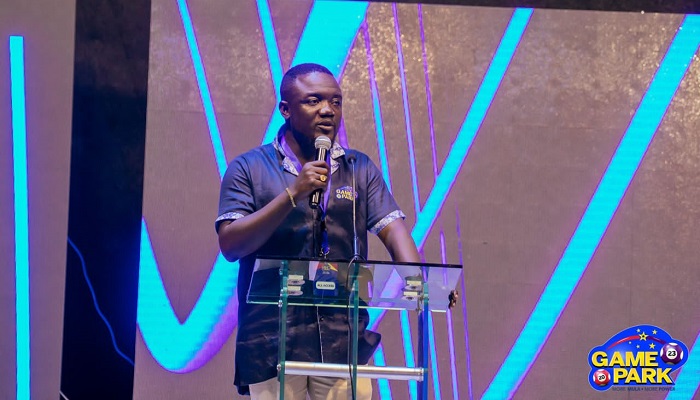
Game Park Limited has officially launched its new addition, ‘PICK 1’ game to its game portfolio at a launch party held in Kumasi in the Ashanti Region.
The launch party which was held at the Basement Bar and Lounge was to bring excitement and more avenues for wins to customers across the country.
The New Game; ‘PICK 1’ which officially went live September 15, 2023, is to give customers the opportunities to select One lucky number from 36 numbers to become lucky winners; winning 26 times their stake.
Customers can play the ‘PICK 1’ Game by dialling *946# on all Network and select their preferred numbers for draw.
It was full of excitement as Artists including Ghanaian Dancehall King Shatta Wale, King Paluta, Strongman and Kweku Flick took the event through with great music and wonderful tunes.
Game Park Limited which is an exciting new lottery gaming provider in Ghana.
According to its management, it has positioned itself to revolutionize the industry with its cutting-edge games by introducing their digital lottery suite, which features captivating number games.
Game Park begun as a partnership in the Caribbean country; Jamaica to consider prospects in the Ghanaian Lottery space.
As third-party collaborator, licensed by the NLA, Game Park is a wholly owned Ghanaian Company which draws its experience from its Technical Service Provider, Supreme Ventures Limited (SVL), which is a premier gaming and entertainment provider in Jamaica and the Caribbean.
According to the company, it has established to provide Ghanaians with exciting new games that have the best odds, are easy to play, easier to win and offer more.
On July 26, the company introduced its first Game ‘PICK 4’ to the Ghanaian public and commissioned its ultra-modern studio, the Black Star Studio, where the live Draws are held at 9:00 AM, 12 Noon and 6:00 PM each day.
The Regulator, National Lottery Authority (NLA) in commending the company for its operations said Game Park Limited is doing well since its introduction into the Ghanaian lottery space by keeping up-to-date with their books and the laid down regulations governing lotto operation in Ghana.
The NLA has also lauded Gama Park Limited for contributing towards the development of the State through its game portfolio hoping that the company would add more games so as to give customers the chance to be part of the company’s success stories.