

Strong cedi pressures local producers – Independent Pension Advisory MD warns
By: Solomon Nartey Tetteh
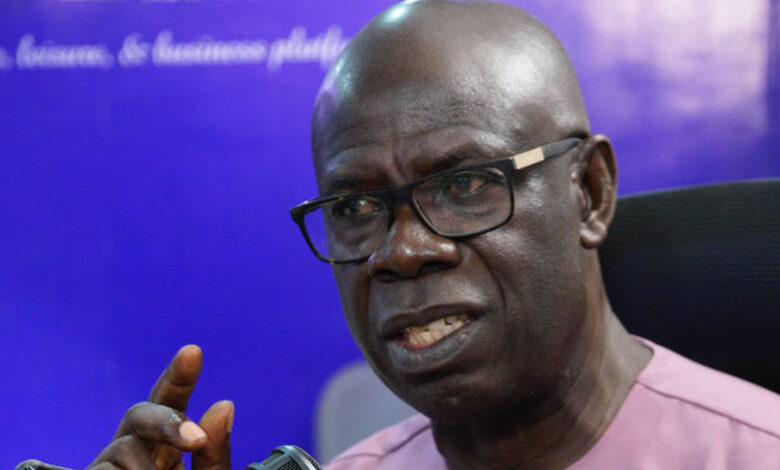
The Managing Director of the Independent Pension Advisory Service, Hayford Attah Krufi, has cautioned that Ghana’s appreciating currency, while economically desirable, could hurt local producers in the short term if deliberate policy measures are not put in place.
Speaking on Business Breakfast on Zed FM, Mr. Krufi said the strengthening of the cedi is making imported goods more affordable, thereby putting pressure on local producers who cannot compete on price.
“As the cedi strengthens, people producing poultry or rice locally are unable to compete with cheaper imports. This is going to affect local production in the short term,” he stated.
Mr. Krufi emphasized the risks this poses to domestic production, especially in an economy that remains heavily dependent on imports.
“We don’t want to be a country that is import-driven. We must be able to produce locally not only to feed ourselves but also for export, especially within West Africa and the broader African market,” he noted.
He further urged the government to offer tax reliefs and other incentives to businesses focused on exports.
Mr. Krufi suggested that Ghana adopt policies similar to other countries that “positively discriminate” in favor of export-oriented production by lowering taxes for exporters and increasing levies on imports.
“If the cost of production is high and taxation is also high, it becomes a double burden for exporters. Reducing taxes for export-driven producers can lower their costs and make them competitive on the international market,” he explained.
Mr. Krufi also touched on global economic shifts affecting currency values, particularly the weakening of the US dollar due to trade tensions initiated under former U.S. President Donald Trump.
He explained that emerging economies, including Brazil, Russia, India, China, and South Africa (the BRICS bloc), have begun trading using their own currencies instead of the dollar, reducing the global dominance of Western currencies and indirectly benefiting economies like Ghana’s.
However, he warned that these global trade wars are unsustainable in the long term and could eventually lead to a global recession, which would severely impact developing countries.
“Unless we stop being pawns in this trade war and focus on strengthening our agricultural base and raw material production, such as gold, we could face serious repercussions when a recession hits,” Mr. Krufi warned.
He urged Ghana to take advantage of current global dynamics by investing more in agriculture, reducing over-reliance on imports, and promoting the “eat what we grow and grow what we eat” philosophy to build economic resilience.



