

Agri-impact CEO calls for bold investments to transform agribusiness
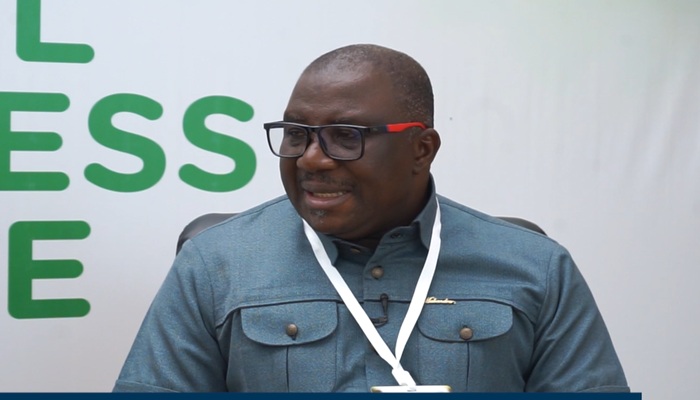
By Esther Korantemaa Offei
The Chief Executive Officer (CEO) of Agri-Impact Limited, Daniel Fahene Acquaye, has urged government to make bold and strategic investments in the agribusiness sector, saying this is critical to unlocking its full potential for economic transformation.
According to him, without decisive policy reforms and sustained capital injection, the country risks losing out on the immense opportunities that agriculture offers for job creation, industrialisation and export growth.
Mr Acquaye believes this can be achieved through the creation of a national Agri-Fund to provide sustainable financing for agribusinesses and attract greater private sector participation.
“We have GETFund supporting education and other sectors, so why not an Agri-Fund to support agribusiness? If agriculture is to transform our economy, we must back it with consistent funding,” he stressed.
The Agri-Impact Limited CEO pointed to government’s Big Push Agenda, which channels royalties from oil and mining into strategic sectors, and called for agribusiness to receive similar priority under such national investment frameworks.
“We must be bold to invest, bold to reform outdated policies and bold to stay the course. Agribusiness deserves the same big push we are seeing in other sectors,” he stressed.
Mr Acquaye called on policymakers, financiers and industry players to collaborate in building a resilient, competitive and modern agribusiness ecosystem capable of driving inclusive growth and ensuring food security.
“We need leadership willing to take calculated risks for long-term gain. With the right investment and policy support, Ghana’s agribusiness can become the backbone of our industrial growth and a key player in the African food economy,” he stated.
Mr Acquaye, who was speaking at the Ashanti Region edition of the Regional Agribusiness Dialogue, held in partnership with the Ministry of Trade and Industry and supported by the Mastercard Foundation, made a strong case for policy and investment resets that align with current market realities and emerging trends.
“Agribusiness holds the key to transforming Ghana’s economy, but we are still importing USD2 billion worth of food annually while losing USD1.9 billion post-harvest. This is not sustainable,” he said.
Using the Ashanti Region as a case study, Mr Acquaye illustrated economic inefficiencies in the sector. He revealed that the region consumes food and non-alcoholic beverages worth over GHS14 billion (approximately USD1.2 billion) annually, yet the country’s post-harvest losses exceed this figure.
“We are literally losing food that could feed an entire region for over a year and a half. Yet we continue to showcase infographics of these losses at every conference instead of solving the problem,” he bemoaned.
The CEO further highlighted a geographic imbalance in agro-processing infrastructure, stating that although the northern regions account for 60 per cent of the country’s land surface and are key production zones, they remain the least industrialised.



