BMW delays electric Mini over ‘uncertainty’
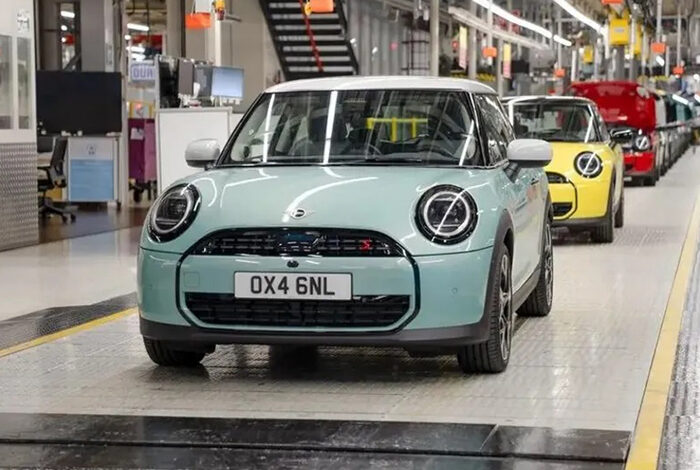
BMW has confirmed it is delaying the reintroduction of electric vehicle production at its Oxford Mini plant.
The vehicle manufacturer said “multiple uncertainties facing the automotive industry” had led to its decision decision to pause work on the £600m upgrade of its plant in Cowley.
It said it had decided not to accept a related £60m grant from the government but remained in “close dialogue”.
The UK automotive industry has been in a long-running debate with the government over its targets for electric vehicle production.
Car makers have argued that the number of electric vehicles they are expected to sell in this and coming years is too high.
Earlier this year, the government ran a fast-track consultation on changes to this policy, known as the zero emission vehicle (ZEV) mandate.
Last November, Stellantis cited the mandate as one of the reasons it decided to close its van factory in Luton.
A statement from Mini owner BMW said: “Plant Oxford is at the heart of Mini production, manufacturing and exporting a range of models, which are sought after in the UK and around the world.
“However, given the multiple uncertainties facing the automotive industry, the BMW Group is currently reviewing the timing for reintroducing battery-electric Mini production in Oxford.”
It said much of the investment was progressing, with construction “well under way to make the plant future-ready”, including a project to build new “state-of-the-art logistics facility”.
The statement added: “We have informed the UK government of our decision to review the timeline for reintroducing battery-electric production in Oxford.
“As part of this discussion, we agreed not to take the previously announced grant, but we remain in close dialogue about our future plans.”
In 2023, BMW announced plans to invest hundreds of millions of pounds to prepare the Mini factory in Oxford to build a new generation of electric cars.
Production of two new electric Mini models had been due to begin at the plant in 2026.
The Department for Transport (DfT) said it recognised the challenges car manufacturers were facing and was listening to concerns.
It said it was consulting on “reinstating the 2030 electric vehicle deadline while also protecting jobs”, a decision it said was “supported by a majority of manufacturers who have been working towards this date and are on track to meet their ZEV mandate targets”.
The DfT said it was investing more than £2.3bn to support industry and consumers to make the switch to electric.
BBC