The President is out of touch with reality on energy situation – IES
By Selorm GBORBIDZI
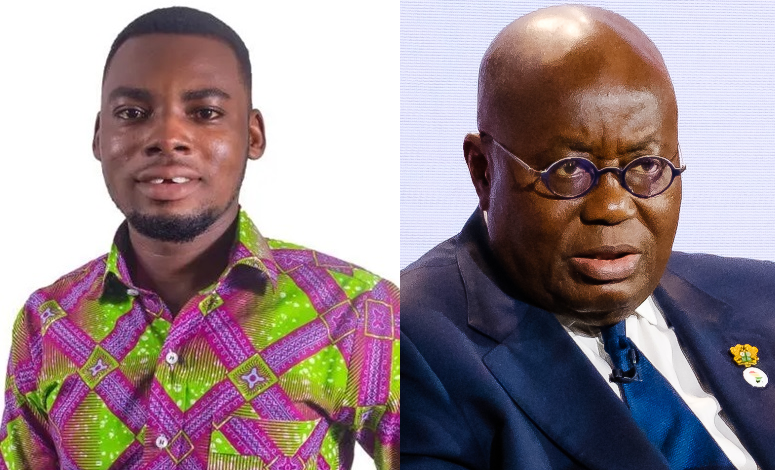
A research Fellow at the Institute for Energy Security, Derrick Xatse, says President, Nana Addo Dankwah Akufo Addo has completely touch with the reality on the energy situation plaguing the country.
His comments follow the announcement by the President, at the May Day celebrations on Tuesday that the challenges the occasioned the power crisis has finally been resolved.
Speaking on ZED in the Morning show on Thursday, May 2, 2024, Derrick Xatse, argued that the current energy situation being witnessed across the country and the explanations being given by the President was indicative of the fact that he was not receiving accurate briefing on the matter
“What is being solved when there is no admission of a problem? Basically the President has not told Ghanaians that they are encountering any challenges. All they tell us is that, it’s got to do with issued of transformers or localized faults. They’ve never admitted that there is generational deficit emanating from financial issues that they are not able to procure the needed fuel,” he said.
He continued, “in any case, probably the President is not living the reality as it stands now. Consumers are already angry. He [the President] spoke to just give them some assurances, but it stands now, nobody knows the reality or any pragmatic effort on the part of government to solve the crisis today.”
He accused the President’s handlers of giving him the wrong information and thus misleading him. He therefore called for more transparency and accountability from the people in the energy sector.