

First Marine Protected Area Launched to Safeguard Coastal Ecosystems
Ghana has officially fulfilled its international commitment by establishing its first Marine Protected Area (MPA), marking a significant step in the country’s efforts to promote sustainable ocean governance and strengthen environmental conservation.
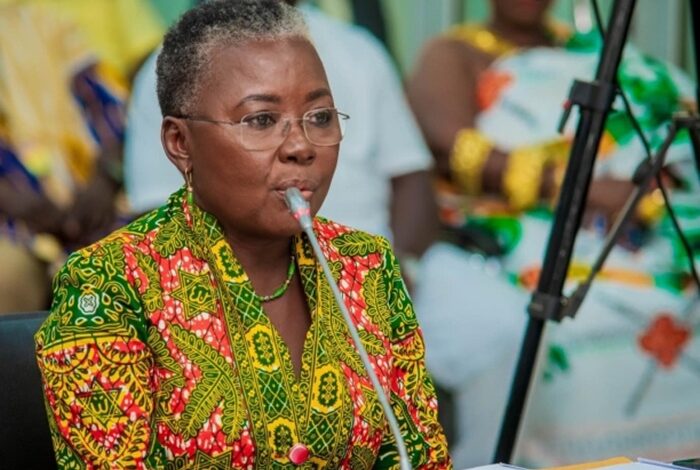
The announcement was made by the Minister for Fisheries and Aquaculture, Emelia Arthur, at the Our Ocean Conference in Kenya. Representing President John Dramani Mahama, she said Ghana had transitioned from pledge to implementation, following a commitment made at the 9th Our Ocean Conference in Athens.
According to the Minister, the newly established Greater Cape Three Points Marine Protected Area was formally designated on April 14, 2026. The protected zone covers approximately 704 square kilometres and encompasses one of Ghana’s most ecologically significant marine ecosystems.
She explained that the designation of the area is aimed at safeguarding critical breeding and nursery grounds for marine species, many of which are essential to the country’s fisheries sector. The initiative is also expected to contribute to the long-term recovery of fish stocks, improve marine biodiversity, and support the sustainability of coastal livelihoods that depend heavily on fishing activities.
Madam Arthur noted that the Marine Protected Area forms a central part of Ghana’s broader blue economy strategy, which seeks to balance economic growth with the sustainable use of ocean resources. She added that the project was developed through extensive stakeholder consultations involving fishing communities, traditional authorities, environmental experts and development partners to ensure broad ownership and compliance.
She further stated that effective management of the protected area will be critical to achieving its intended benefits, including enhanced food security and improved resilience for coastal communities facing declining fish stocks and environmental pressures.
In addition to the MPA announcement, the Fisheries Minister revealed a US$20 million national commitmentaimed at developing Aquaculture Economic Zones across the country. The initiative is expected to modernise fish farming, attract private sector investment, and expand sustainable aquaculture production.
According to her, the aquaculture programme will also create employment opportunities, particularly for young people, while reducing pressure on wild fish stocks in Ghana’s coastal waters.
She stressed that both initiatives demonstrate Ghana’s renewed commitment to sustainable resource management and position the country as an emerging leader in blue economy development within the West African sub-region.



