

mRNA COVID vaccines may boost cancer survival
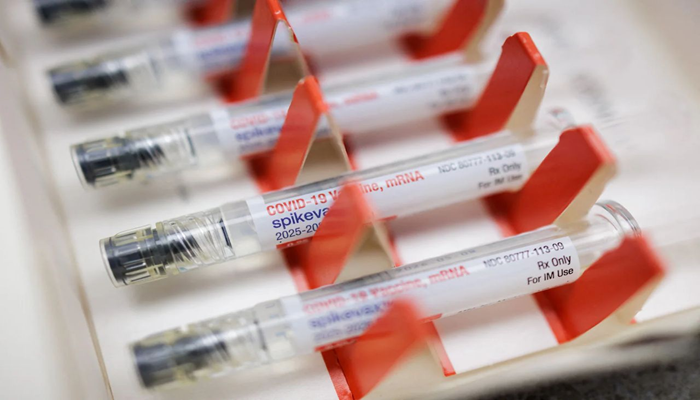
The most widely used COVID-19 vaccines may offer a surprise benefit for some cancer patients, revving up their immune systems to help fight tumours, according to preliminary research reported in the journal Nature.
People with advanced lung or skin cancer who were taking certain immunotherapy drugs lived substantially longer if they also received a Pfizer or Moderna shot within 100 days of starting treatment, the study found.
The benefit had nothing to do with virus infections. Instead, the molecule that powers these vaccines, mRNA, appears to help the immune system respond better to cutting-edge cancer treatment, researchers from MD Anderson Cancer Center in Houston and the University of Florida concluded.
“The vaccine acts like a siren to activate immune cells throughout the body,” said lead researcher Dr Adam Grippin of MD Anderson.
Health Secretary Robert F Kennedy Jr has raised scepticism about mRNA vaccines, cutting USD500 million in funding for some uses of the technology.
But Grippin’s team found their results so promising that they are preparing a more rigorous study to see if mRNA coronavirus vaccines should be paired with cancer drugs called checkpoint inhibitors. This is an interim step while researchers design new mRNA vaccines specifically for cancer.
A healthy immune system often kills cancer cells before they become a threat, but some tumours evolve to hide from immune attack. Checkpoint inhibitors remove that cloak. It is a powerful treatment when it works, but some people’s immune cells still do not recognise the tumour.
Messenger RNA, or mRNA, is naturally found in every cell and contains genetic instructions for the body to make proteins. While best known as the Nobel Prize-winning technology behind COVID-19 vaccines, scientists have long been trying to create personalised mRNA “treatment vaccines” that train immune cells to spot unique features of a patient’s tumour.
Grippin and his Florida colleagues had been developing personalised mRNA cancer vaccines when they realised that even one created without a specific target appeared to spur similar immune activity against cancer. This led them to wonder if the widely available mRNA coronavirus shots might also have some effect.
The team analysed records of nearly 1,000 advanced cancer patients undergoing checkpoint inhibitor treatment at MD Anderson, comparing those who received a Pfizer or Moderna shot with those who did not.
Vaccinated lung cancer patients were nearly twice as likely to be alive three years after beginning cancer treatment as unvaccinated patients.
Among melanoma patients, median survival was significantly longer for vaccinated patients, though some were still alive when the data was analysed.
Non-mRNA vaccines, such as flu shots, did not make a difference, the researchers said.



