

Prof. Agyemang-Duah Backs Five-Year Presidential Term
By Praisebell Rosemond Larbi
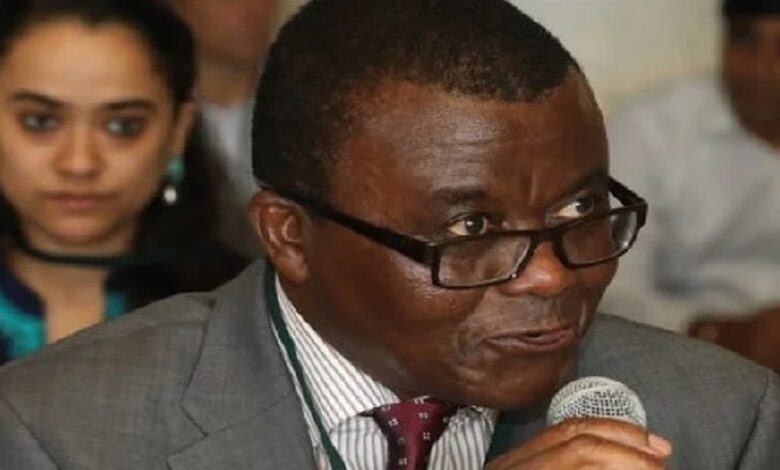
Governance expert Professor Baffour Agyemang-Duah has backed the Constitutional Review Committee’s recommendation for a five-year presidential term, arguing that longer electoral cycles could help reduce the economic cost associated with frequent elections.
Speaking on ZED 101.9FM’s current affairs show, THE FOCUS, Prof. Agyemang-Duah said the recommendation deserved serious consideration, particularly because elections come with significant financial implications for the country.
He explained that extending the presidential term from four to five years could reduce the number of elections held over a given period and, consequently, lower the resources spent on organising them.
According to him, if a country were to operate over a 20-year period, a five-year presidential term would result in fewer elections than a four-year cycle, potentially allowing the state to save the cost of organising at least one election.
He said the savings could be redirected towards other areas of national development, particularly at a time when the country faces significant economic challenges.
However, Prof. Agyemang-Duah stressed that his support for a five-year presidential term should not be interpreted as an endorsement of any particular political leader or a guarantee that longer terms would automatically produce better governance.
He said the most important consideration should be the quality of leadership Ghana elects whenever citizens go to the polls.
“Supporting a five-year term does not mean we should accept any leader,” he noted, stressing the need for Ghanaians to consistently seek capable, visionary and responsible leaders through the electoral process.
Prof. Agyemang-Duah also compared Ghana’s governance experience with that of Singapore, arguing that the Southeast Asian country’s development has been influenced by the quality and continuity of its leadership.
He noted that Singapore’s political system and leadership experience had allowed the country to pursue long-term development strategies with greater consistency, something he suggested Ghana could learn from.
However, he cautioned against simply seeking to replicate another country’s political arrangement, saying Ghana’s priority should be to develop a system that produces quality leaders capable of delivering sustainable national development.
His comments come after the Constitutional Review Committee submitted its recommendations on proposed amendments to Ghana’s constitutional framework to the government.
The government has also expressed support for the recommendations, paving the way for further discussions on the proposals and their possible implementation.
The proposed five-year presidential term is among the recommendations that could significantly alter Ghana’s political and electoral system if adopted.
Prof. Agyemang-Duah maintained that beyond the length of presidential terms, the country must focus on building institutions and, most importantly, ensuring that elections produce leaders with the competence, integrity and vision required to advance Ghana’s development.



