

Poverty figures demand urgent economic rethink
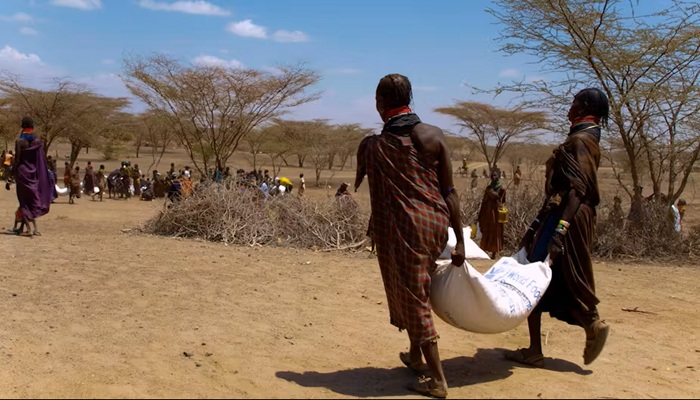
The World Bank’s revelation that one in four Ghanaians currently lives in poverty is not merely a statistic. It is a sobering reflection of the economic fragility facing the nation.
Despite efforts to stabilise the economy, the persistence of poverty among 25 per cent of the population signals that growth has not been inclusive, and that structural challenges remain deeply entrenched.
This level of poverty undermines national productivity. When a quarter of citizens struggle to meet basic needs, their ability to contribute meaningfully to the economy is diminished.
Poor households often lack access to quality education, healthcare and financial services, which perpetuates the cycle of deprivation. The result is a widening gap between the formal economy and the informal sector, where most of the poor reside.
Inflation, currency depreciation and limited job creation have compounded the problem. Rising food and fuel prices continue to erode household incomes, while youth unemployment remains alarmingly high.
The rural-urban divide further exacerbates inequality, with rural communities bearing the brunt of underdevelopment and poor infrastructure.
To address this crisis, government must prioritise targeted social protection programmes that reach the most vulnerable. Investment in agriculture, vocational training and digital infrastructure can empower communities and stimulate local economies.
Policies must also support small and medium-sized enterprises, which are key drivers of employment.
Fiscal discipline and transparency in public spending are essential to ensure that resources are directed where they are most needed. Collaboration with development partners should focus on long-term poverty reduction strategies rather than short-term relief.
Ghana’s future depends on its ability to lift its citizens out of poverty. The World Bank’s report must serve as a wake-up call. Economic recovery must be measured not only by GDP growth, but by the wellbeing of the people it is meant to serve.



