

Chamber Urges National Consensus to Build Ethical, Competitive Mining Sector
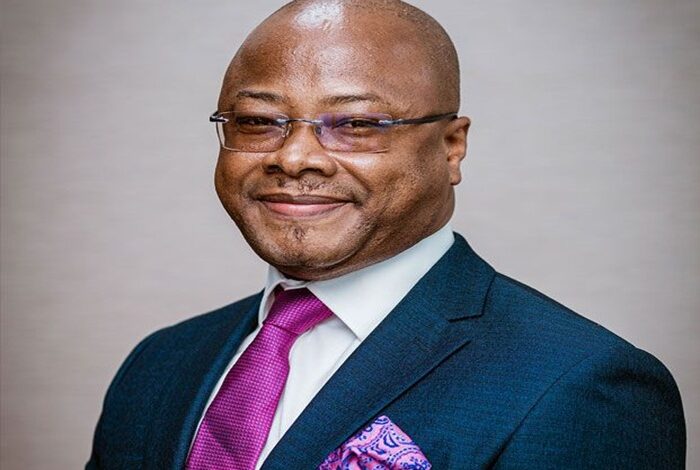
The Ghana Chamber of Mines has called for a renewed national consensus to shape a mining industry that is modern, ethical and globally competitive, stressing that Ghana’s long-term economic fortunes depend on how well the sector is governed and supported today.
At the 11th Ghana Mining Industry Awards in Accra, the Chamber’s President, Mr Michael Edem Akafia, said the country’s mining landscape had reached a pivotal point that required government, investors, workers, host communities and civil society to act with unity and shared purpose.
He warned that the sector was operating in a climate of intense global competition and rising expectations from the public, making stability and forward planning indispensable. “The mining industry stood at a defining moment,” he noted, adding that the country must adopt policies that provide clear direction and long-term confidence for investors.
A key highlight of his address was the Chamber’s appreciation for government’s removal of VAT on prospecting and exploration activities, a policy shift the industry had long championed. Mr Akafia described the decision as a critical boost for Ghana’s exploration potential.
“This move secures the future of mining and strengthens investor confidence,” he said, acknowledging President John Dramani Mahama and Finance Minister Dr Ato Forson for the intervention.
Even as he welcomed the fiscal relief, the Chamber President underscored the importance of predictable regulatory environments. “Mining investments are high-risk and span decades. Countries that succeed are those that build trust and stability around their mineral governance frameworks,” he cautioned, urging government to approach the proposed sliding-scale royalty regime with balance to avoid dampening appetite for new investments.
Beyond investor concerns, Mr Akafia argued strongly for a Minerals Revenue Management Act that mirrors the petroleum revenue model. He maintained that such legislation would enhance transparency, improve accountability and establish a sustainable system for managing mineral resources.
“The time has come for Ghana to institutionalise a transparent system that secures today’s mineral wealth for both current and future generations,” he emphasised.
He also addressed the ongoing fight against illegal mining, expressing worry over the rising attacks on security agencies and regulatory officers. While recognising government’s continued efforts, he insisted that decisive justice must follow.
“The rule of law must prevail. Those who attack state institutions must be brought to justice decisively,” he said, describing galamsey as a national security threat as much as an environmental disaster.
The Chamber President further highlighted the urgent need for host communities to witness meaningful and lasting improvements from mineral revenues. Although the industry committed US$28 million to community projects in 2024, he said national mineral income should be reinvested more strategically to turn mining communities into hubs of opportunity.
He also drew attention to global industry trends automation, digitalisation and decarbonisation and urged Ghana to align itself by investing in technology, developing new skills and promoting authentic made-in-Ghana participation across the mining value chain.
Looking ahead, Mr Akafia said the Chamber was prepared to partner government to advance recommendations from its “Mining Hub Study,” which seeks to position Ghana as a major centre for mining services, research and innovation, not just mineral extraction.
In closing, he paid tribute to the workers who sustain the industry daily, from engineers and contractors to geologists and plant operators. Their contribution, he said, remained the backbone of the sector’s progress.
“This awards night is about vision and responsibility. If we work together with integrity and innovation, Ghana’s mineral wealth will be a blessing for generations to come,” Mr Akafia said.



