Strait of Hormuz Closed Again: Are Global Markets Heading Into a Deeper Energy Shock?
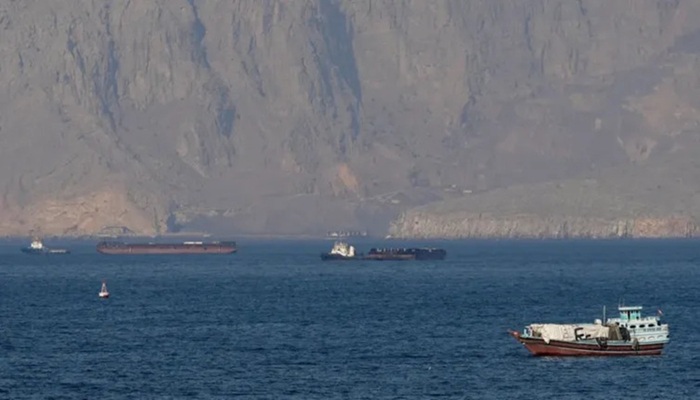
Reports of renewed disruption or tightening control around the Strait of Hormuz have once again sent shockwaves through global energy markets, raising fears that the world may be edging toward a more severe and prolonged oil supply crisis. As one of the most critical chokepoints in global energy trade, any instability in this narrow waterway instantly reverberates across oil prices, inflation expectations, and economic stability worldwide.
The key question now is unavoidable: if tensions escalate further, would the global economy, and by extension Ghana, face conditions even tougher than previous oil shocks?
Why the Strait of Hormuz Matters So Much
The Strait of Hormuz is one of the world’s most strategic maritime routes, linking major oil producers in the Middle East to global markets. A significant share of global crude oil and liquefied natural gas passes through this corridor daily. Any disruption, whether through military confrontation, shipping restrictions, or geopolitical escalation immediately constrains supply expectations.
Markets do not wait for shortages to happen; they price in the risk of shortages. That is why even the possibility of closure or restricted access often leads to sharp spikes in oil prices, insurance costs, and freight charges.
A Market Already on Edge
The global oil market is already highly sensitive due to ongoing geopolitical tensions in the Middle East. Prices have been volatile, driven less by demand fundamentals and more by fear-driven risk premiums. A renewed disruption in the Strait of Hormuz would likely intensify this trend.
In such a scenario, oil could rapidly move beyond recent highs, triggering a cascade of economic consequences:
- Higher fuel prices globally
- Rising transportation and shipping costs
- Increased production costs for businesses
- Accelerating inflation in both advanced and developing economies
For import-dependent economies, the impact is immediate and often severe.
What It Means for Ghana
For Ghana, a disruption in the Strait of Hormuz is not a distant geopolitical issue, it is a direct economic threat.
Although Ghana produces oil, it remains a net importer of refined petroleum products. This means that global price shocks are quickly transmitted into the domestic economy through fuel pricing mechanisms.
If oil prices surge again:
- Transport fares are likely to rise
- Food prices may increase due to higher logistics costs
- Manufacturing and service industries could face higher input costs
- Inflationary pressures may re-emerge after recent easing trends
This would place additional pressure on households already coping with high living costs.
At the macroeconomic level, higher oil prices could also widen Ghana’s import bill, potentially putting pressure on the cedi if foreign exchange inflows do not keep pace.
Inflation and Monetary Policy Pressure
A renewed oil shock would complicate the work of the Bank of Ghana. After recent efforts to stabilize inflation and ease monetary policy conditions, a sharp rise in fuel-driven inflation could force a policy rethink.
Central banks typically face a difficult dilemma in such situations:
- Tightening policy to control inflation can slow economic growth
- Easing policy to support growth can worsen inflation
Ghana could once again find itself balancing between price stability and economic recovery.
Global Economic Spillovers
The consequences would not be limited to oil-importing countries alone. Even major economies would feel the strain through:
- Slower global growth
- Higher production costs
- Increased shipping and insurance premiums
- Greater financial market volatility
For emerging markets, the risks are even more pronounced due to weaker fiscal buffers and higher debt vulnerabilities.
Is This Crisis Worse Than Before?
Whether this situation becomes “worse than before” depends on three key factors:
- Duration of disruption – A short-term spike is manageable; a prolonged closure is far more damaging.
- Scope of escalation – Regional containment versus wider military escalation will determine severity.
- Global response – Strategic petroleum reserves and coordinated supply interventions could soften the blow.
However, markets are already behaving as if worst-case scenarios are possible. That alone is enough to sustain volatility.
What Should Ghana Watch For?
In the coming weeks, Ghana will need to closely monitor:
- International crude oil price movements
- Shipping and insurance costs for fuel imports
- Exchange rate pressures on the cedi
- Domestic fuel pricing adjustments
- Inflation expectations in the local economy
These indicators will determine how deeply external shocks filter into domestic conditions.
Conclusion
A renewed disruption in the Strait of Hormuz is not just another geopolitical headline, it is a potential trigger for a global energy shock with direct consequences for Ghana’s economy.
While the full extent of the impact will depend on how the situation evolves, one thing is clear: the world economy remains highly vulnerable to supply chain disruptions in key energy corridors.
For Ghana, the challenge is familiar but pressing how to shield households and businesses from global shocks while maintaining macroeconomic stability.
If tensions escalate further, the answer may not just be tougher conditions, it may be a test of economic resilience on a scale the global system has not seen in years.