Let’s avoid pitfalls of the past
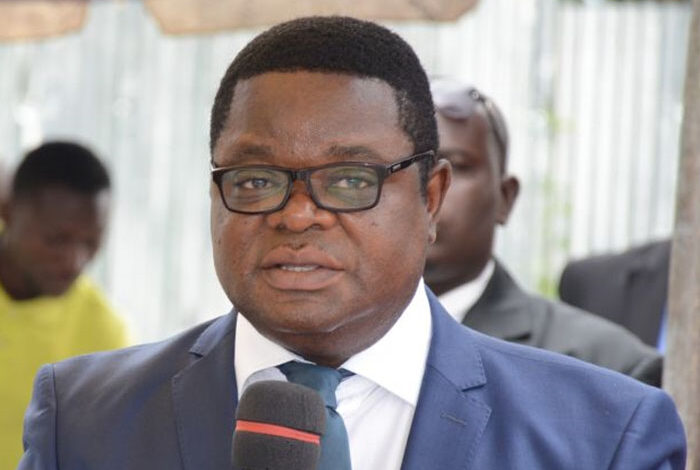
THE insights shared by Professor Peter Quartey, Director of the Institute of Statistical, Social and Economic Research (ISSER), reveal cautious optimism for Ghana’s economic future, with projected GDP growth between 4% and 4.5% by year-end.
Yet, beneath the optimism lies a critical call to action, particularly in fiscal discipline, sustainable development, and focused investment.
As Ghana approaches a pivotal election year, the country’s economic stability hinges on its ability to prioritize long-term growth over short-term gains and avoid the pitfalls of past election cycles.
Prof Quartey’s caution regarding the necessity of fiscal discipline is especially timely. In a country where election cycles are often accompanied by increased spending, Ghana cannot afford to jeopardize hard-won economic progress.
Legislating a debt ceiling would be a prudent step toward safeguarding the nation’s fiscal health. This measure, coupled with robust expenditure rationalization, can shield the economy from the destabilizing effects of excess spending that have too often burdened Ghana post-election.
The emphasis on agriculture and manufacturing as engines of job creation and equitable income distribution should also serve as a policy priority. Ghana’s growth must reach all citizens, and by targeting investments toward labour-intensive sectors like agriculture and manufacturing, the government can make strides in reducing unemployment and increasing income levels across the board.
These sectors form the backbone of the economy, and without strong policy interventions to support them, economic growth will remain uneven and, ultimately, unsustainable.
Prof Quartey’s comments on Ghana’s ambition to adopt a 24-hour economy provide a valuable reality check. A successful shift toward a round-the-clock economy requires not just enthusiasm but a solid infrastructure foundation, reliable energy, and heightened security—none of which can be achieved overnight.
Ghana’s leaders would do well to heed Prof Quartey’s advice to integrate such ambitious plans into a comprehensive, long-term national development strategy rather than attempting piecemeal or premature implementation.
This approach would allow Ghana to make gradual yet sustainable improvements, rather than hastily introducing initiatives that could strain resources and fail to deliver intended outcomes.
Prof Quartey’s perspective on taxes, particularly regarding the “betting tax,” underscores a need for nuanced, socially responsible tax policy. Ghana’s economy requires consistent revenue streams, but policymakers must balance this with the social impact of certain taxes.
A behavioural tax, such as one on betting, serves not only to generate revenue but also to address social behaviours with potential long-term societal costs. With the IMF programme demanding stringent revenue benchmarks, scrapping taxes without viable alternatives would be a grave misstep.
As the nation contemplates the future, Ghana stands at a crossroads. The path forward, as outlined by Prof Quartey, requires balanced, well-considered actions that emphasize growth across sectors, responsible spending, and a commitment to sustainable development.
Ghanaians deserve an economy that supports not just a few but all citizens, spreading growth across regions, demographics, and income levels. The policies implemented in the coming year will be critical to determining whether Ghana steps confidently toward that vision or risks repeating the mistakes of the past.
The ISSER director’s message is clear: Ghana must learn from its history and commit to reforms and policies that will build an economy capable of weathering political transitions and global economic shifts alike. If the government can heed this call, Ghana has the potential to solidify itself as a resilient and robust economy, prepared to meet the challenges of tomorrow.