Gold Slips Nearly 2% below $4,900
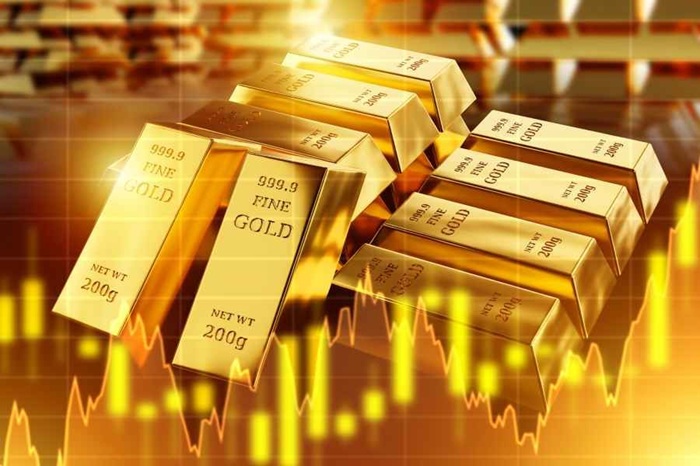
Gold prices declined nearly 2% on Tuesday, slipping below $4,900 per ounce and extending losses into a second consecutive session, as subdued trading activity and shifting monetary policy expectations weighed on the precious metal.
Market participation remained thin due to the Lunar New Year holidays across China and parts of Asia, following a public holiday in the United States a day earlier. The reduced liquidity environment amplified price swings, with traders attributing the decline largely to technical positioning rather than a fundamental shift in sentiment.
Despite the short-term dip, analysts maintain that the broader macroeconomic outlook continues to support gold. Recent softer-than-expected inflation data from the United States has strengthened expectations that the Federal Reserve could begin cutting interest rates later in 2026. Market pricing currently suggests slightly more than two rate cuts this year, with July increasingly seen as a possible starting point.
Investors are now closely watching upcoming economic indicators for further direction. Key data releases include the Federal Reserve’s meeting minutes, the advance estimate of first-quarter GDP, and the Personal Consumption Expenditures (PCE) inflation report, widely regarded as the central bank’s preferred measure of inflation.
Lower interest rates typically enhance the appeal of gold by reducing the opportunity cost of holding non-yielding assets. However, in the near term, analysts say the market is experiencing repositioning pressures, particularly in an environment of thin liquidity and heightened sensitivity to macroeconomic signals.
Geopolitical developments are also playing a critical role in shaping investor sentiment. Renewed discussions surrounding U.S.-Iran nuclear negotiations and ongoing tensions in the Russia-Ukraine conflict continue to underpin safe-haven demand. Historically, such uncertainties tend to support gold prices, although the current market appears to be balancing geopolitical risks against evolving expectations on monetary easing.
Market participants note that while gold’s longer-term outlook remains constructive, near-term volatility is likely to persist. Traders are expected to take cues from the tone of the Federal Reserve’s communication, as well as the strength of incoming economic data, which will ultimately determine the timing and pace of any policy easing.
For now, gold remains caught between supportive fundamentals and short-term technical pressures, with its next decisive move hinging on clarity from both monetary policy signals and global geopolitical developments.