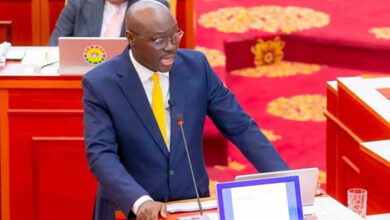
Nigeria’s Parliament Approves ₦68.3tr Budget for 2026

Nigeria’s parliament has approved a ₦68.30 trillion ($49.4 billion) budget for 2026, following adjustments requested by President Bola Tinubu. The approval came after lawmakers raised the figure from the ₦58.47 trillion plan originally presented in December.
President Tinubu, now in his third year in office, has introduced sweeping economic reforms. His government ended costly fuel and energy subsidies, devalued the naira, and changed the tax system to strengthen public finances. He said the 2026 budget was designed to consolidate these reforms and accelerate growth.
The higher budget figure was passed after the president asked lawmakers to accommodate outstanding capital projects carried over from previous years. According to the chairs of the Senate and House Appropriation Committees, the increase was necessary to prevent unresolved obligations from weighing down the new fiscal programme.
Lawmakers also approved a $6 billion loan request to support the expanded budget. Of this, $5 billion is expected to come from First Abu Dhabi Bank and $1 billion from Citi. The loan will cover infrastructure projects, debt servicing, and outstanding capital spending, with at least 40 percent earmarked for capital projects in the 2025 and 2026 budgets.
Nigeria’s budget chief had earlier set a 4.68 percent growth target for 2026, slightly above the World Bank’s forecast of 4.4 percent. However, the deficit is projected to widen to more than 6 percent of GDP, or ₦31.46 trillion, compared with an initial estimate of 4.28 percent before the budget increase.
The new framework highlights Tinubu’s push to stabilize the economy while funding development projects. Analysts say the larger budget reflects both the government’s ambition and the challenges of financing reforms in Africa’s biggest economy.
The statement from parliament emphasized that the adjustments were aimed at ensuring continuity of projects and avoiding fiscal bottlenecks. Lawmakers stressed that the loan component was critical to meeting Nigeria’s infrastructure needs and managing debt obligations.
The budget will now be sent to President Tinubu for his signature into law. Once signed, it will mark Nigeria’s largest spending plan to date, underscoring the administration’s determination to push through reforms despite fiscal pressures.
Observers note that while the higher budget provides room for growth initiatives, the rising deficit and reliance on external loans could test Nigeria’s financial resilience. The coming year will show whether Tinubu’s reforms can deliver stronger growth while keeping debt sustainable.