Middle East Conflict Could Hit Ghana’s Liquidity – BoG Governor

By Praisebell Rosemond Larbi
The Governor of the Bank of Ghana, Johnson Pandit Asiama, has cautioned that the ongoing conflict involving the United States, Israel and Iran could pose risks to Ghana’s financial system, particularly in terms of liquidity, if the situation persists.
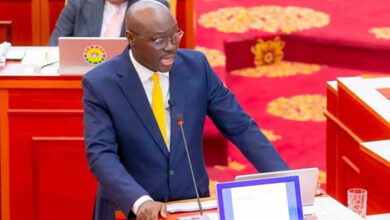
Speaking at an international conference organised by Ghana Export-Import Bank (GEXIM) to mark the institution’s 10th anniversary, Dr. Asiama noted that while the central bank remains hopeful for a swift resolution, it is actively preparing for potential spillover effects on the domestic economy.
He explained that prolonged geopolitical tensions in the Middle East could disrupt global financial markets, tighten liquidity conditions, and exert pressure on emerging economies such as Ghana.
Preparedness Measures in Place
Dr. Asiama assured stakeholders that the Bank of Ghana has already implemented measures to safeguard the country’s financial stability and cushion the impact of any external shocks.
While he did not disclose specific interventions, the Governor emphasised that the central bank remains vigilant and ready to act to maintain adequate liquidity within the banking system.
His remarks come at a time of heightened global uncertainty, with escalating tensions in the Middle East affecting commodity prices, capital flows, and investor sentiment.
Potential Channels of Impact
Analysts note that Ghana could be affected through several channels, including rising oil prices, increased demand for foreign exchange, and tighter global financial conditions. These factors could, in turn, influence inflation, exchange rate stability, and domestic liquidity.
The Governor’s warning aligns with broader concerns that sustained geopolitical instability could trigger capital outflows from emerging markets, leading to reduced liquidity and higher borrowing costs.
Maintaining Financial Stability
Despite these risks, Dr. Asiama maintained that Ghana’s financial system remains resilient, supported by ongoing macroeconomic reforms and improved policy coordination.
He stressed the importance of proactive policy measures and close monitoring of global developments to ensure that any shocks are effectively managed.
The Bank of Ghana has in recent months focused on strengthening reserves, stabilising the currency, and improving monetary policy transmission—efforts that could help cushion the economy against external disruptions.
Outlook
While the situation in the Middle East remains fluid, the central bank’s reassurance underscores its commitment to maintaining stability in Ghana’s financial system.
Dr. Asiama’s comments highlight the interconnected nature of the global economy and the need for continuous preparedness, particularly as geopolitical risks increasingly shape economic outcomes.
As developments unfold, market watchers will be closely monitoring how global tensions influence liquidity conditions, exchange rates, and overall financial stability in Ghana.