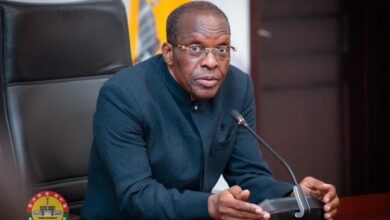
World Bank reaffirms commitment to Ghana’s food security
Story By: Solomon Tetteh Nartey
The World Bank has reaffirmed its commitment to supporting the West Africa Food Systems Resilience Programme (FSRP) to address a US$30 million funding gap to ensure its successful completion.
A collaborative initiative funded by the Government of Ghana and the World Bank and implemented under the auspices of the Economic Community of West African States (ECOWAS), the FSRP is to boost irrigation farming and agricultural productivity in Ghana.
Utilizing the World Bank’s Multiphase Programmatic Approach (MPA), the programme began in June 2023 with an initial IDA funding of US$150 million and is scheduled to end in September 2028.
The project builds on the achievements of the recently concluded Ghana Commercial Agriculture Project (GCAP) and the West Africa Agriculture Productivity Programme (WAAPP).
The primary objective of the FSRP is to enhance Ghana’s preparedness for food insecurity and improve the resilience of its food systems.

The programme comprises five key components:
Component 1 – Strengthening National Capacity for Digital Advisory Services:
Enhancing the ability to deliver demand-driven digital agricultural advisory services.
Component 2 – Improving National Research Systems:
Bolstering national research systems and fostering collaboration with regional research institutions.
Component 3 – Post-Production Support:
Providing assistance for activities such as processing, marketing, and intra-regional food trade.
Component 4 – Emergency Financing Mechanism:
Establishing a mechanism to finance eligible expenditures during emergencies caused by natural disasters.
Component 5 – Effective Coordination and Operational Support:
Ensuring efficient project coordination and funding the operational costs of implementing agencies.
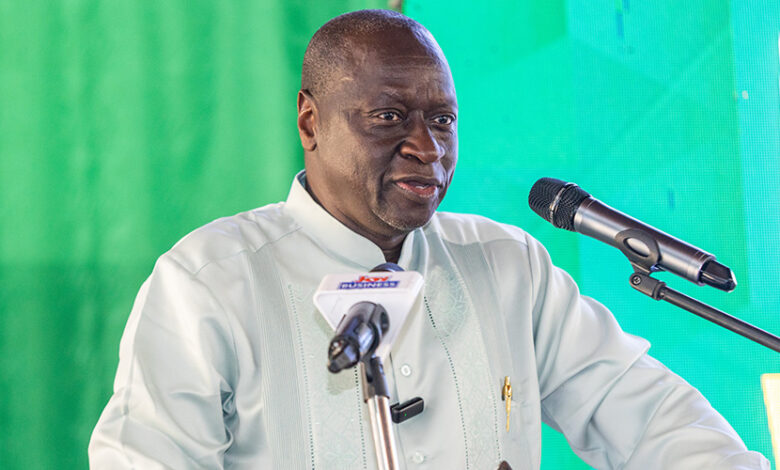
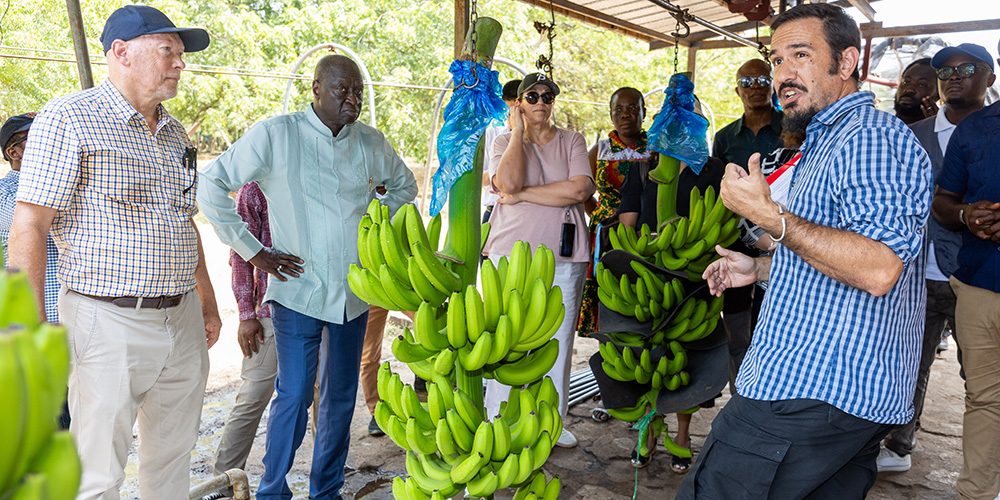
During a visit to the Kpong Irrigation Scheme and the Kpong Left Bank Irrigation Scheme, World Bank Regional Vice President for the Africa region Mr. Ousmane Diagana pledged additional funding support from the Bank to close the $30million gap.
“There’s a US$30 million funding gap to see the full completion of this project. We’re a long-standing partner for Ghana in every area… and we will be happy of course to consider adding financing if necessary. So, this is something that is absolutely possible.” Mr Diagana said.
He underscored the importance of increasing local agricultural production, particularly rice, to reduce reliance on imports and bolster the national economy.
“Since I arrived, I’ve noticed that much of the rice consumed here is imported, which places a strain on the national budget. Producing more locally will not only save costs but also strengthen the economy,” he said.
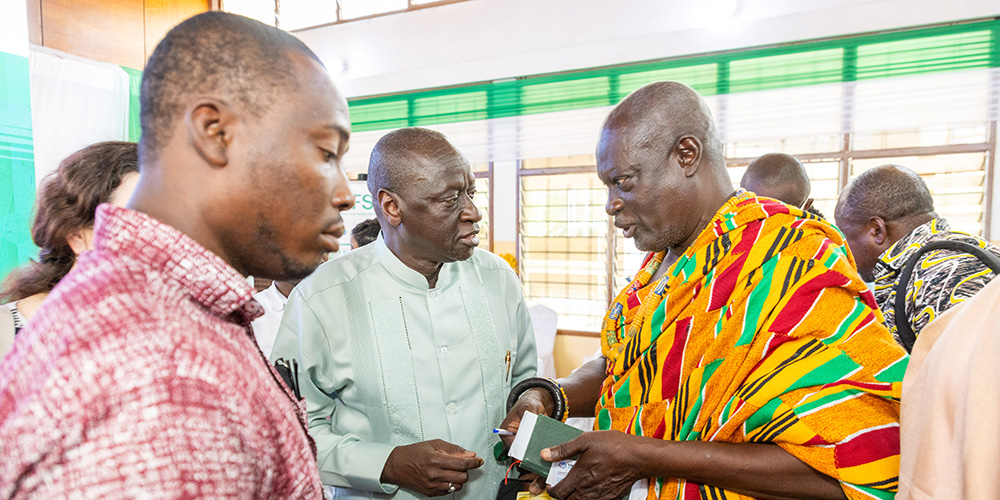
He further noted the World Bank’s commitment to enhancing food security through the FSRP, strengthening partnerships with small and medium enterprises, and achieving greater results.
“While we are pleased with the progress made so far, there is still much to be done. We must remain ambitious, and the World Bank will continue to support initiatives like the FSRP and deepen our partnership with Ghanaians,” he stated.
Mr. Diagana assured that the World Bank would closely monitor the implementation of the programme, evaluating its progress and reaffirming its steadfast partnership with Ghana.
He also reiterated agriculture’s pivotal role in job creation and urged the government to leverage the sector to generate employment and alleviate unemployment pressures.
Mr. Diagana mentioned that World Bank will continue its involvement in the FSRP, underscoring its dedication to fostering sustainable development and resilience in Ghana’s agricultural sector.
The World Bank estimates Ghana’s irrigable land to be 1.9 million hectares out of which about 1.6 per cent is equipped with irrigation, compared with the West and Central Africa average of 13.9 per cent, threatening the country’s agricultural and food resilience.
Mr Diagana noted that agriculture was essential for job creation and fundamental for income generation, adding that “no country can develop without investing in its agriculture.” He called on the government to provide sustainable investment in smart agriculture to boost productivity and reduce the country’s reliance on the importation of rice, maize, and vegetables.